Merrow vs Laser-Cut Borders
A merrow border is a raised overlock stitch wrapped around a patch edge at a width of 2–4mm. A laser-cut border is a thin, heat-sealed edge cut to roughly 1mm. Both borders finish the same product, a custom patch, yet each delivers a different edge profile, durability level, and shape compatibility. Choosing the right border depends on your patch shape, budget, and whether you want a traditional raised look or a modern flat finish. This guide compares both border types so UK buyers order the correct edge first time.
What Is the Difference Between a Merrow Border and a Laser-Cut Border?
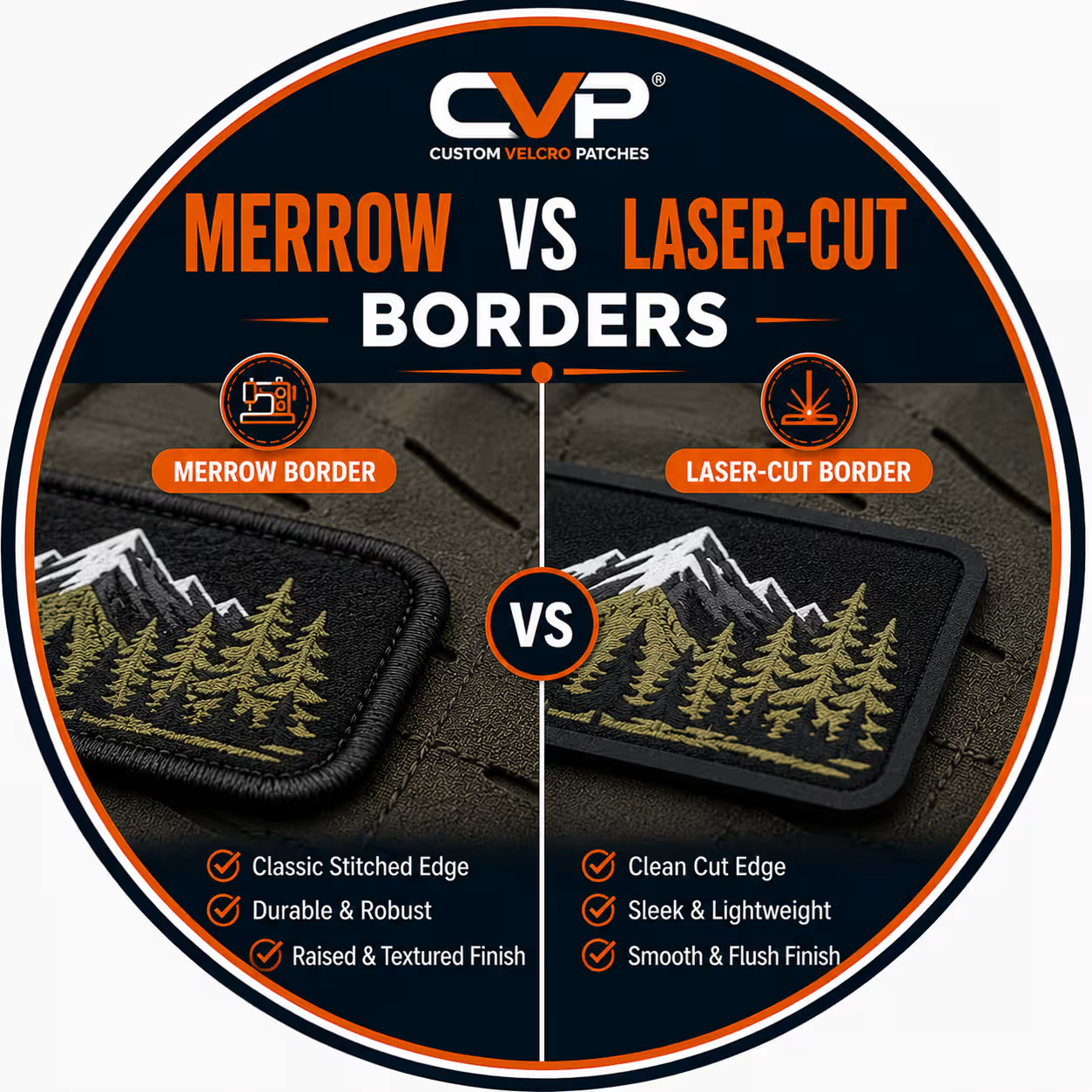
A merrow border and a laser-cut border differ in three measurable attributes: edge thickness, shape compatibility, and manufacturing method. Merrow borders use an overlock stitch that wraps thread around the patch perimeter, producing a raised 2–4mm edge. Laser-cut borders use a laser or hot knife that seals the patch edge flat at roughly 1mm. The merrow border suits simple, symmetrical shapes, while the laser-cut border accommodates intricate and custom outlines. Both borders prevent fraying, but they protect the patch edge through different mechanisms.
What Is a Merrow Border?
A merrow border is an overlock thread edge stitched around the outside of a patch. The border takes its name from the Merrow Sewing Machine Company, the manufacturer that popularised the overlock stitch used to create it. A merrow machine wraps thread continuously around the patch perimeter after the design is embroidered, forming a raised, rounded border between 2mm and 4mm wide. This wrapped-thread edge adds weight, reinforces the twill base, and gives the patch a defined, traditional appearance. Buyers recognise the merrow border by its piping-like rim that sits proud of the garment it attaches to.
The merrow border defines the classic embroidered patch, which is why it remains the standard edge on uniform and badge programmes. Because the overlock stitch follows a continuous loop, the merrow border works only on simple shapes, circles, squares, ovals, rectangles, and shields. This shape limitation leads directly to the second border type, which removes that constraint.
What Is a Laser-Cut Border?
A laser-cut border is a thin, flat edge created by cutting and heat-sealing the patch outline with a laser. The industry also calls this edge a hot-cut border or a satin-stitch border, and all three terms describe the same construction. A satin stitch is embroidered along the design edge, the patch is then cut precisely with a laser or hot knife, and the cut edge is melted to seal it. This sealing step, known as “border baking”, fuses the outer fibres so the edge never frays or unravels. The finished border measures roughly 1mm and sits flush with the garment, producing a sleek, low-profile finish.
The laser-cut border follows the exact outline of any artwork, which makes it the correct choice for complex logos and custom silhouettes. Unlike the merrow border, the laser-cut border places no restriction on patch shape, lettering, flames, wings, and intricate emblems all reproduce cleanly. Understanding how each border is physically made explains why these shape and durability differences exist.
Merrow vs Laser-Cut Borders: Side-by-Side Comparison
The table below compares both border types across the seven attributes that influence a buying decision. Use it to match the border to your patch shape, durability requirement, and budget.
| Attribute | Merrow Border | Laser-Cut Border |
|---|---|---|
| Edge profile | Raised, rounded (2–4mm) | Flat, thin (~1mm) |
| Manufacturing | Overlock stitched on a merrow machine | Laser/hot-knife cut, edge heat-sealed |
| Shape compatibility | Simple shapes (circle, square, oval, shield) | Any shape, including intricate custom outlines |
| Durability | Highest – thick wrapped edge resists fraying | Strong – sealed edge, thinner profile |
| Finish / look | Traditional, defined raised border | Modern, sleek, low-profile |
| Cost | Slightly higher (extra production step) | Slightly lower / standard |
| Best for | Uniforms, military, sports clubs, classic badges | Logos, detailed artwork, custom silhouettes |
Merrow borders lead on durability and traditional appearance. Laser-cut borders lead on shape flexibility and a modern finish. The manufacturing method behind each border explains every difference in this table.
How Each Border Is Made
Both borders are produced after the patch design is embroidered onto a twill base, but the finishing step differs. The merrow border adds a separate overlock stitching stage, while the laser-cut border combines a satin-stitch edge with a cutting and sealing stage. This difference in production sequence determines the edge profile, the shape range, and the cost of each border.
How Merrow Borders Are Stitched
A merrow border is applied once the embroidery on the patch is complete. The patch passes through a merrow overlock machine, which wraps thread around the raw edge in a continuous loop. This overlock stitch encloses the twill edge, adds physical weight, and produces the raised rim that distinguishes a merrow border. Because the overlock head cannot pivot around sharp angles or tight curves, the merrow border is restricted to symmetrical shapes. The result is a durable, clearly defined edge that suits patches facing heavy daily wear.
How Laser-Cut Borders Are Produced
A laser-cut border is produced by embroidering a satin-stitch edge directly into the patch design, then cutting the patch to its exact outline. A laser or hot knife trims the patch as close to the stitched edge as possible, following any shape with precision. The cutting tool simultaneously heat-seals the fibres at the cut line, the “border baking” step, which prevents fraying without adding a raised rim. This integrated process produces a thin 1mm edge in a single production flow, which is why laser-cut borders handle intricate shapes that a merrow machine cannot.
Which Patch Types Support Each Border
Border choice depends on the patch material, because not every patch type accepts both borders. The list below shows which border each custom patch type supports:
- Embroidered patches – both merrow and laser-cut borders are available; merrow remains the traditional default.
- Woven patches – both borders are available; laser-cut suits the fine detail woven patches are known for.
- PVC / rubber patches – laser-cut or die-cut borders only, the moulding process rules out a merrow edge.
- Hook-and-loop (Velcro) patches – both borders apply; merrow suits durable tactical wear, while laser-cut suits detailed unit insignia
The patch type therefore narrows the border options before aesthetics or budget enter the decision. Once the patch material is fixed, the choice between merrow and laser-cut comes down to use case, durability, and cost.
When to Choose a Merrow Border
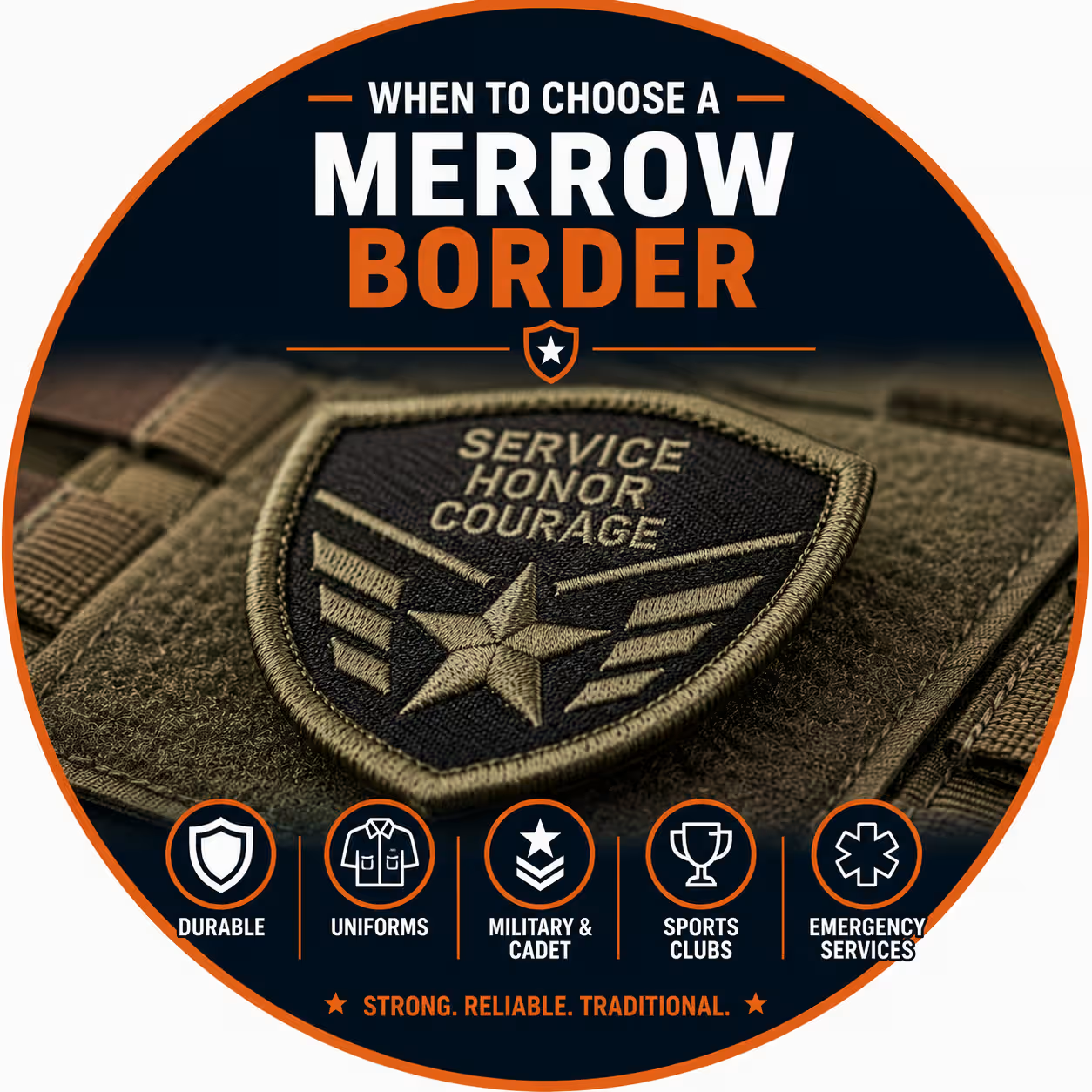
A merrow border is the correct choice when your patch uses a simple shape and faces heavy use. The raised overlock edge reinforces the patch perimeter, which makes it the most hard-wearing border for daily-wear programmes. Uniform badges, military and cadet insignia, sports club emblems, and emergency-services patches all favour the merrow border for this reason. The traditional raised rim also signals a finished, official appearance that institutional buyers expect.
Merrow borders suit standard geometric shapes, circles, squares, ovals, rectangles, and shields. Order a merrow border when your design fits one of these outlines and durability matters more than intricate detail. Our custom embroidered patches carry a merrow border as standard, and the same edge suits military and cadet patches that endure repeated wear and washing. When your artwork moves beyond simple shapes, the laser-cut border becomes the better option.
When to Choose a Laser-Cut Border
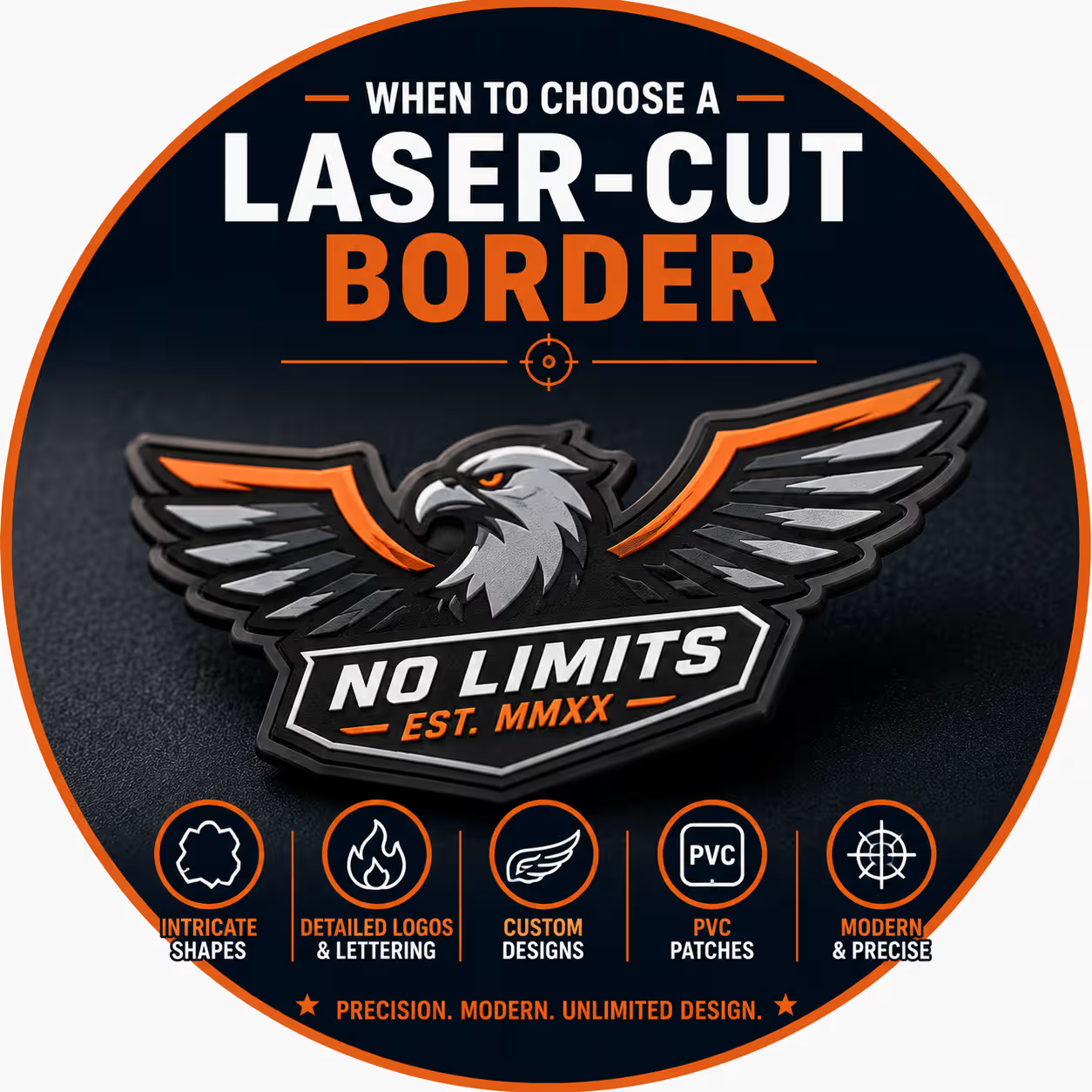
A laser-cut border is the correct choice when your patch uses an intricate or non-standard shape. Unlike the merrow border, the laser-cut edge follows any outline, so detailed logos, lettering, flames, and wing shapes reproduce cleanly. The thin 1mm edge sits flush with the garment, which delivers the modern, low-profile finish that brands and streetwear labels prefer. The laser-cut border therefore prioritises design accuracy and a contemporary look over a raised traditional rim.
Laser-cut borders also unlock patch types that the merrow machine cannot finish. Order a laser-cut border for PVC patches, custom-shaped emblems, or any design where the outline mirrors your logo exactly. Because the cut follows your artwork precisely, a clean vector file produces the sharpest result, our patch artwork guidelines explain the file format we need. Once shape and finish are settled, cost and durability decide the final choice.
Cost, Durability and Finish Compared
Merrow and laser-cut borders differ measurably in durability, cost, and finished appearance. The merrow border wins on edge strength, the laser-cut border wins on price and shape range, and the two finishes appeal to different buyers. The sections below answer each question directly.
Which Border Is More Durable?
The merrow border is more durable. The thick overlock stitch wraps the patch edge in continuous thread, which resists fraying and abrasion better than any other border. This durability makes the merrow border the standard for military, police, and sports patches that face frequent wear. The laser-cut border is still hard-wearing, the heat-sealed edge will not unravel, but its 1mm profile carries less physical reinforcement than a raised merrow rim.
Which Border Is Cheaper?
The laser-cut border is cheaper. The laser-cut edge forms within a single production flow, whereas the merrow border requires a separate overlock stitching stage that adds labour and cost. The price gap is small on most orders, but laser-cutting remains the lower-cost option, particularly on intricate shapes that would otherwise be difficult to finish. Buyers balancing budget against detail therefore lean toward the laser-cut border.
Which Looks More Professional?
Both borders look professional, but they signal different styles. The merrow border projects a traditional, official appearance through its defined raised rim, which suits uniforms and institutional badges. The laser-cut border projects a sleek, modern appearance through its flat edge, which suits corporate logos and fashion labels. The “more professional” border depends entirely on whether your brand favours a classic or a contemporary finish.
Our Customer Reviews
Frequently Asked Questions
Is a merrow border better than a laser-cut border?
Can you put a merrow border on any shape?
Do laser-cut patches fray?
Which border is best for Velcro patches?
Is a laser-cut border the same as a hot-cut border?
Choosing the Right Border for Your Custom Patch
Border choice comes down to three questions: what shape is your patch, how hard will it wear, and which finish fits your brand. A raised overlock edge serves simple, heavy-use badges where toughness and a classic look lead the brief. A thin sealed edge serves detailed logos and custom outlines where shape accuracy and a flush, modern finish matter most. Your patch material also frames the decision, since PVC and similarly moulded patches accept only the cut edge. Match the border to those three factors and your patch arrives looking exactly as designed. Ready to proceed? Get a free patch quote and our UK team will confirm the right border for your artwork.