Custom Woven Velcro Patches
Custom woven velcro patches are woven fabric patches finished with a hook-and-loop backing that attaches and removes without sewing. UK businesses, cadet units, and sports clubs order these patches when a logo needs fine detail and the freedom to move between garments. The woven base holds small text and intricate artwork, while the velcro backing makes the patch removable, repositionable, and reusable.
What Are Custom Woven Velcro Patches?
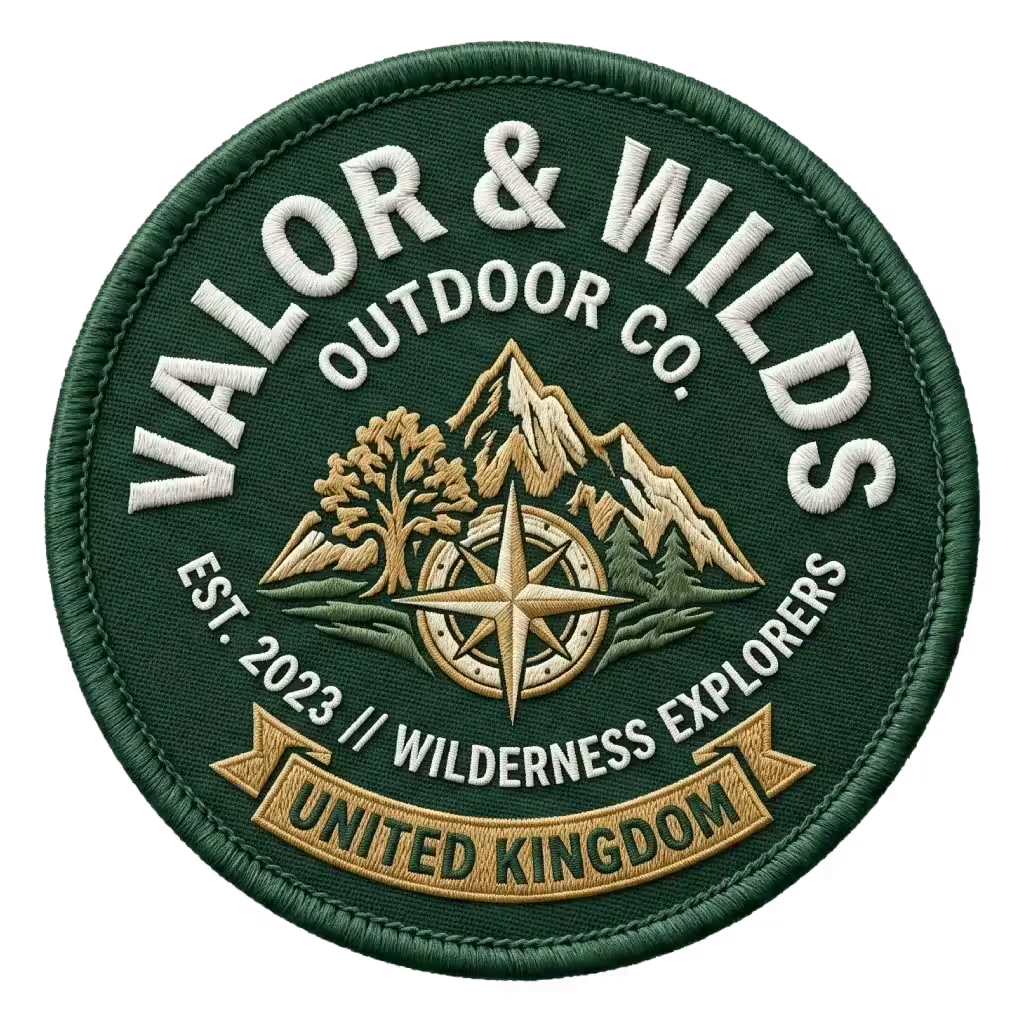
A woven velcro patch is a tightly woven badge bonded to a hook-and-loop backing. The weave defines the design, and the backing defines the attachment method. Manufacturers weave the threads on a loom rather than stitching them onto a fabric base, so the finished patch carries fine detail at a thin, flat profile.
Yes, woven patches accept a velcro backing in the same way embroidered and PVC patches do. The backing attaches to the rear of the patch through heat-sealing or stitching, and the patch then clings to any loop panel. This combination pairs the detail of a woven badge with the convenience of a removable fastening.
Woven construction differs from embroidered construction in one core attribute: thread density. Woven patches use thinner threads packed at a higher density, which produces sharper edges and smaller readable text. Embroidered patches use thicker threads and raised stitching, which produces texture but limits fine detail. For a small corporate logo or a name badge with tight typography, the woven method reproduces the artwork more faithfully.
The result is a low-profile patch that sits flat against a garment. This flat finish suits caps, polo shirts, and lightweight jackets where a bulky badge would look heavy. The velcro backing then adds the practical layer, letting the wearer swap one woven patch for another in seconds.
How Custom Woven Velcro Patches Are Made
Custom woven velcro patches move through three production stages: weaving the design, finishing the edge, and applying the hook-and-loop backing. Each stage controls a different attribute of the final patch, detail, durability, and attachment.
Weaving the Design
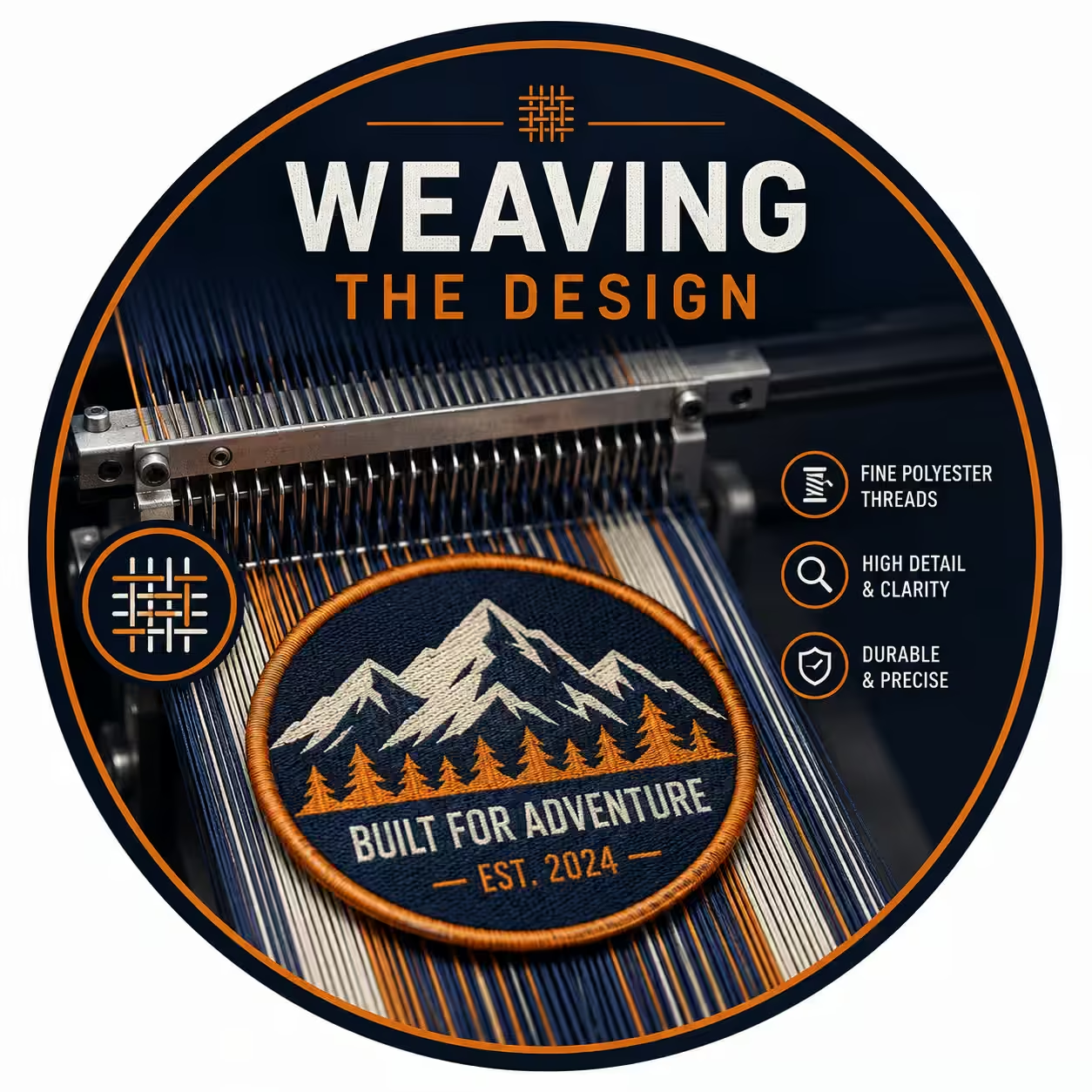
The weaving stage converts your artwork into thread. A digitiser maps the design to a weave file, and the loom interlaces fine polyester threads to form the image. Thread density determines clarity: a higher density holds smaller text and tighter lines. Woven patches reach a level of detail that embroidered patches cannot, because the threads are thinner and the weave is finer. This makes the woven method the correct choice for crests, monograms, and logos with small lettering.
Finishing the Edge
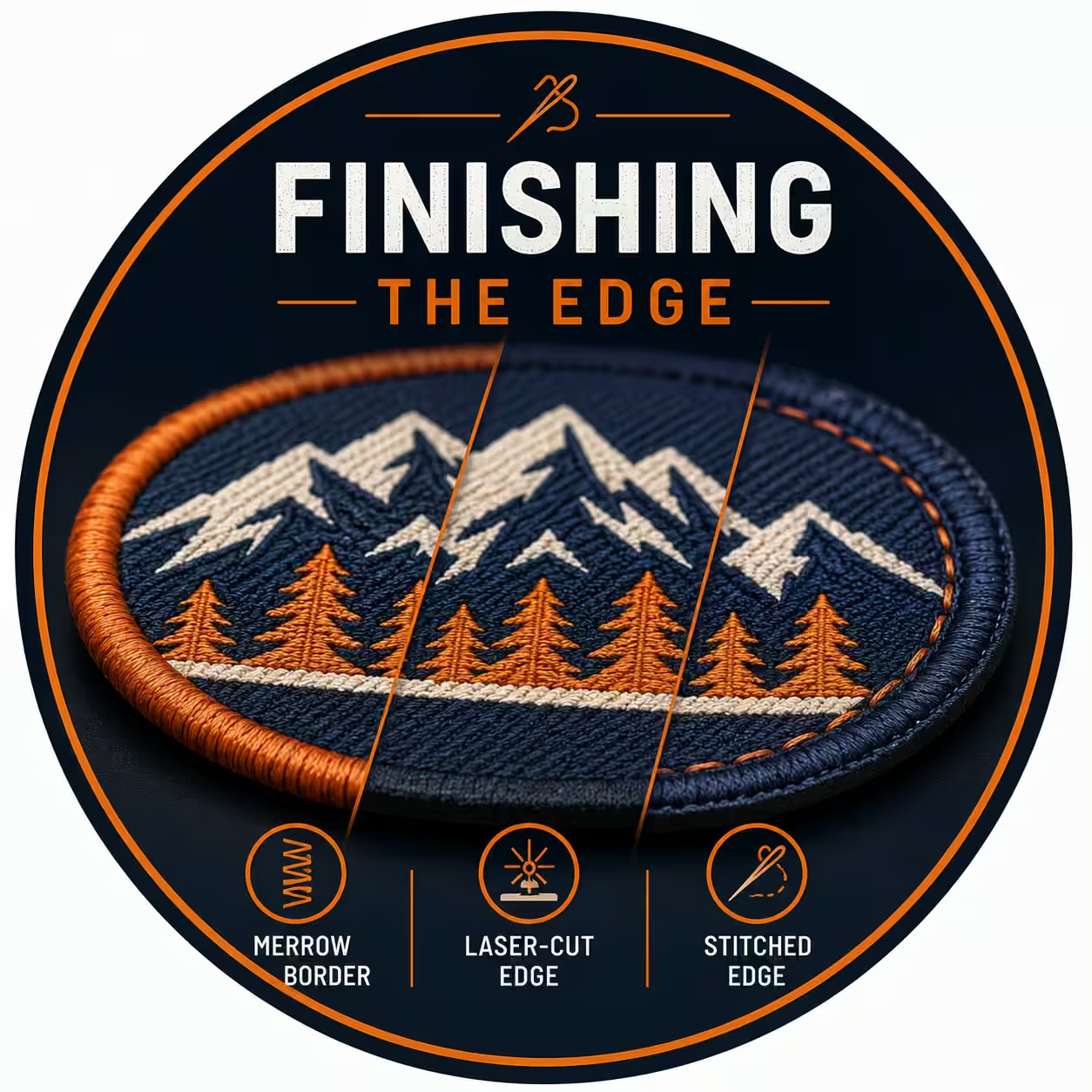
The edge stage seals the patch border and prevents fraying. Woven velcro patches take one of two edge finishes. A merrow border wraps the perimeter in an overlocked stitch and suits round or oval shapes. A laser-cut edge slices a clean precise line and suits custom shapes, shields, and intricate outlines. Laser cutting also seals the threads at the cut, so the patch holds its shape through repeated attachment and removal.
Applying the Hook-and-Loop Backing
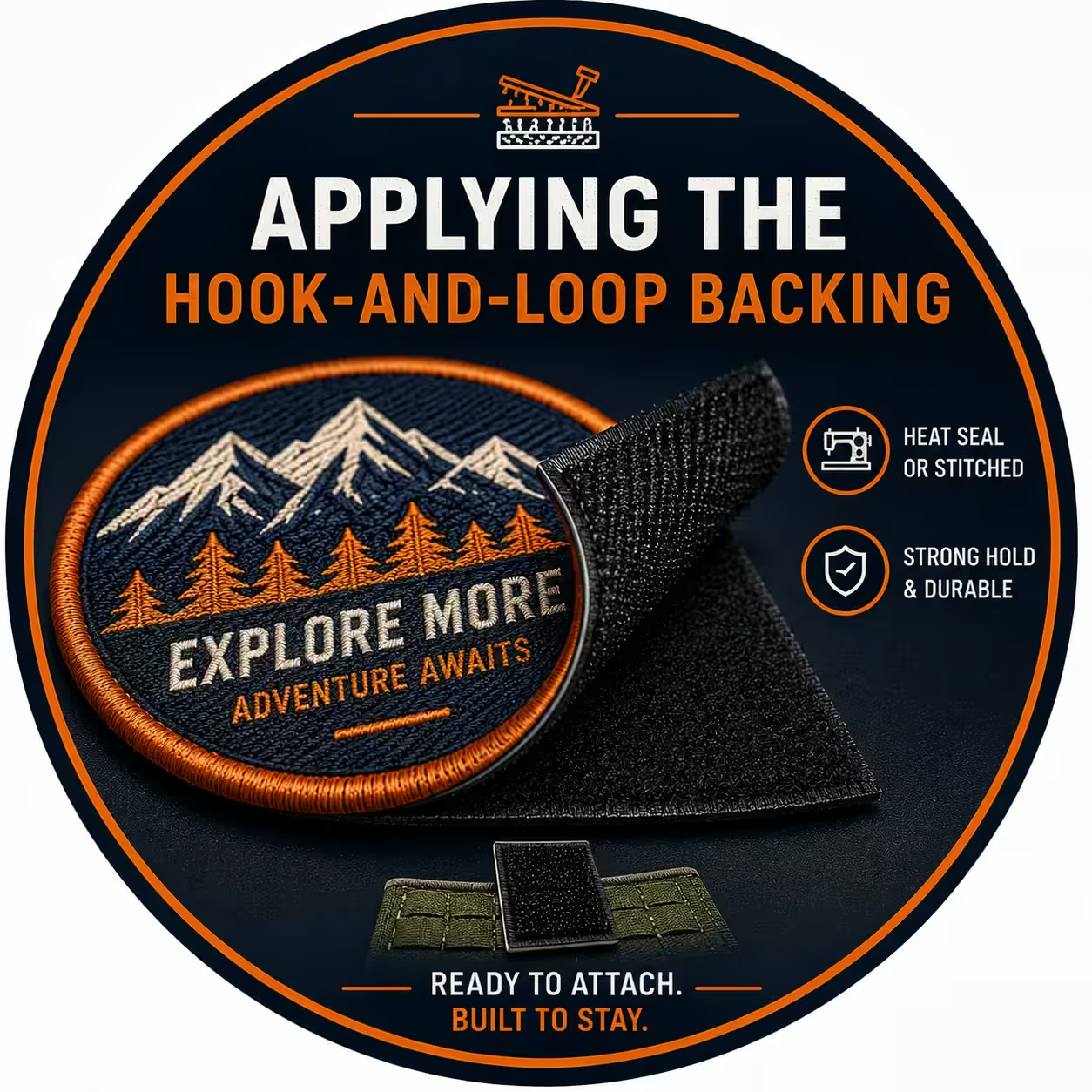
The backing stage bonds the velcro to the rear of the woven patch. The hook side fixes to the patch through heat-activated adhesive or stitching, depending on the use case and washing demands. Heat-sealing produces a clean flat bond for everyday wear, while stitching adds extra hold for high-friction tactical use. Once the hook backing is set, the patch attaches to any matching loop panel, a loop field on a uniform, a cap, a plate carrier, or a backpack.
This backing decision leads directly to the next choice every buyer makes: whether to order a single hook backing or a double hook-and-loop set.
Woven vs Embroidered vs PVC Velcro Patches
Woven, embroidered, and PVC patches all accept a velcro backing, but each material serves a different design goal. The table below compares the three on the attributes that decide most orders: detail, texture, durability, and best use.
| Attribute | Woven Velcro Patch | Embroidered Velcro Patch | PVC Velcro Patch |
|---|---|---|---|
| Construction | Fine threads woven on a loom | Thicker threads stitched onto twill | Moulded rubber compound |
| Detail level | High - holds small text and tight lines | Medium - limited by stitch width | High - sharp moulded lines |
| Texture | Flat and smooth | Raised and textured | Raised 2D or 3D relief |
| Profile | Thin and low | Bulky | Medium |
| Durability | Strong; resists fraying | Strong; rugged feel | Waterproof; weather-resistant |
| Best use | Detailed logos, small text, caps | Crests, club badges, jackets | Outdoor gear, tactical, wet conditions |
Woven velcro patches win when the design carries fine detail or small lettering. Embroidered velcro patches win when the design needs a textured, traditional badge feel. PVC velcro patches win when the patch must survive rain, mud, or hard outdoor use. For a comparison of the raised stitching and thread weight, see our embroidered velcro patches; for waterproof tactical use, the PVC velcro patches page covers the moulded options.
The material decides the look of the patch. The backing decides how the patch attaches, and that choice splits into single and double velcro backing.
Single vs Double Velcro Backing on Woven Patches
Custom woven velcro patches ship with one of two backing configurations. The right choice depends on whether your garment already carries a loop panel.
Single (Hook) Backing
Single backing attaches the hook side directly to the rear of the woven patch. The patch then clings to an existing loop field on a uniform, cap, or bag. This option suits military and tactical users whose kit already includes loop panels. Single backing keeps the order simple and the cost lower, because it supplies only the hook half of the fastening.
Double (Hook + Loop) Backing
Double backing supplies both halves of the fastening: the hook side fixed to the patch and a separate loop panel to sew onto the garment. This option suits buyers whose clothing has no loop field. You stitch the loop panel onto the garment once, then attach and remove the patch as often as needed. Double backing gives the most flexibility, so it fits corporate uniforms, workwear, and club kit that started without a loop surface.
The two options trade cost against convenience. Single backing costs less and assumes a loop panel exists; double backing costs more and provides the loop panel itself. Our guide on single vs double velcro backing explains which configuration matches each garment type.
Once the construction and backing are set, the practical advantages of the woven velcro patch become clear.
Benefits of Custom Woven Velcro Patches
Custom woven velcro patches combine fine detail with a removable fastening, which delivers several practical benefits:
- Fine detail for small logos and text. The woven method holds small lettering and tight lines that embroidery cannot reproduce, so corporate logos and name badges stay sharp.
- Thin, low-profile finish. The flat weave sits close to the garment, which suits caps, polo shirts, and lightweight jackets.
- Removable and swappable. The hook-and-loop backing lets the wearer change patches in seconds, a name today, a rank tomorrow, a unit insignia the next day.
- Durable through repeated use. Woven threads resist fraying, and the velcro backing keeps its grip through frequent attachment and removal.
- Washable when fitted correctly. The patch stays clean through normal wear; removing it before a wash protects both the weave and the loop panel.
- Accurate brand colours. Pantone colour matching reproduces exact brand shades in the thread, so the woven patch carries the correct corporate palette.
These benefits explain why specific UK sectors choose the woven velcro format over fixed alternatives.
Who Uses Custom Woven Velcro Patches
Custom woven velcro patches serve UK organisations that need detailed, interchangeable identification. The format suits any role where insignia changes faster than the garment.
Military and Cadet Units
Military and cadet units use woven velcro patches for rank, name, and unit insignia that update without replacing the uniform, see military and cadet patches.
Police and Security Teams
Police and security teams use them for identifiers and name badges that swap between shifts and personnel.
Workwear and Corporate Teams
Workwear and corporate teams use them for branded logos that move between jackets, tabards, and shared kit.
Sports and MC Clubs
Sports and MC clubs use them for crests and club names on detachable panels.
Schools and Scout Groups
Schools and scout groups use them for badges that transfer between garments as children grow.
Morale and Tactical Users
Morale and tactical users use them for interchangeable patches on plate carriers, caps, and backpacks.
Each sector values the same combination: woven detail for the artwork, velcro backing for the flexibility. With the material, backing, benefits, and use cases established, the final stage is the ordering process itself.
How to Order Custom Woven Velcro Patches in the UK
Ordering custom woven velcro patches follows five steps, from artwork to UK delivery. The process suits both small runs and bulk orders.
Submit your artwork or logo.
Send your design as a vector file, image, or sketch. Our team reviews the artwork and confirms which details the weave can hold at your chosen size.
Receive a free digital proof.
A digitiser converts your artwork to a weave file and returns a digital proof showing colours, dimensions, and the woven layout. Production starts only after you approve it.
Approve size, shape, and colours.
Confirm the patch size, the edge finish, the backing type, and the Pantone colour match. This step locks the specification before manufacture.
Production and quality inspection.
The loom weaves the design, the edge is merrowed or laser-cut, and the hook-and-loop backing is applied. Each batch passes a quality check for weave accuracy, colour consistency, and secure backing.
UK delivery.
Your finished patches ship across the UK on a tracked service. Standard turnaround runs 10–14 days; express production runs 5–7 days for urgent orders.
Minimum order quantities stay low, and larger volumes reduce the cost per patch. The digitising and digital proof are included free, so the quoted price covers artwork setup with no separate fee. The next section answers the questions buyers ask most often before they order.
Our Customer Reviews
Frequently Asked Questions
Can woven patches have a velcro backing?
Are custom woven velcro patches washable?
Are woven patches better than embroidered patches for small text?
Is there a minimum order for custom woven velcro patches in the UK?
Do woven velcro patches come with both hook and loop sides?
How long do custom woven velcro patches take to make?
Order Custom Woven Velcro Patches in the UK
A custom woven velcro patch turns a brand mark into something detailed, durable, and endlessly reusable. Get a free quote to start your order.
Get Your Free QuoteCustom Woven Velcro Patches - Summary
A woven velcro patch brings two strengths into one badge: the precision of a loom-woven design and the freedom of a removable fastening. The fine weave reproduces small text and detailed logos that thicker embroidery blurs, while the hook-and-loop backing lets the wearer move the patch between caps, uniforms, and bags at will. UK military units, security teams, corporate brands, clubs, and schools rely on that pairing whenever insignia changes faster than the garment it sits on.
Choosing the right patch comes down to three decisions: the material for the look, the edge finish for the shape, and the backing for the attachment. Woven suits detail, single backing suits kit that already carries a loop field, and double backing suits garments that need one supplied. With low minimums, free digitising, accurate Pantone colours, and UK-wide tracked delivery, a custom woven velcro patch turns a brand mark into something detailed, durable, and endlessly reusable. Get a free quote to start your order.