Single vs Double
Velcro Backing
Velcro backing attaches a custom patch to a garment using a hook-and-loop fastening system. Single Velcro backing supplies only the hook side, while double Velcro backing supplies both the hook side and the loop side. The right choice depends on one factor: whether your garment already has a sewn loop panel. This guide explains both backing types, shows how the hook-and-loop system works, and helps you order the correct bespoke Velcro patch in the UK.
What Is Single vs Double Velcro Backing?
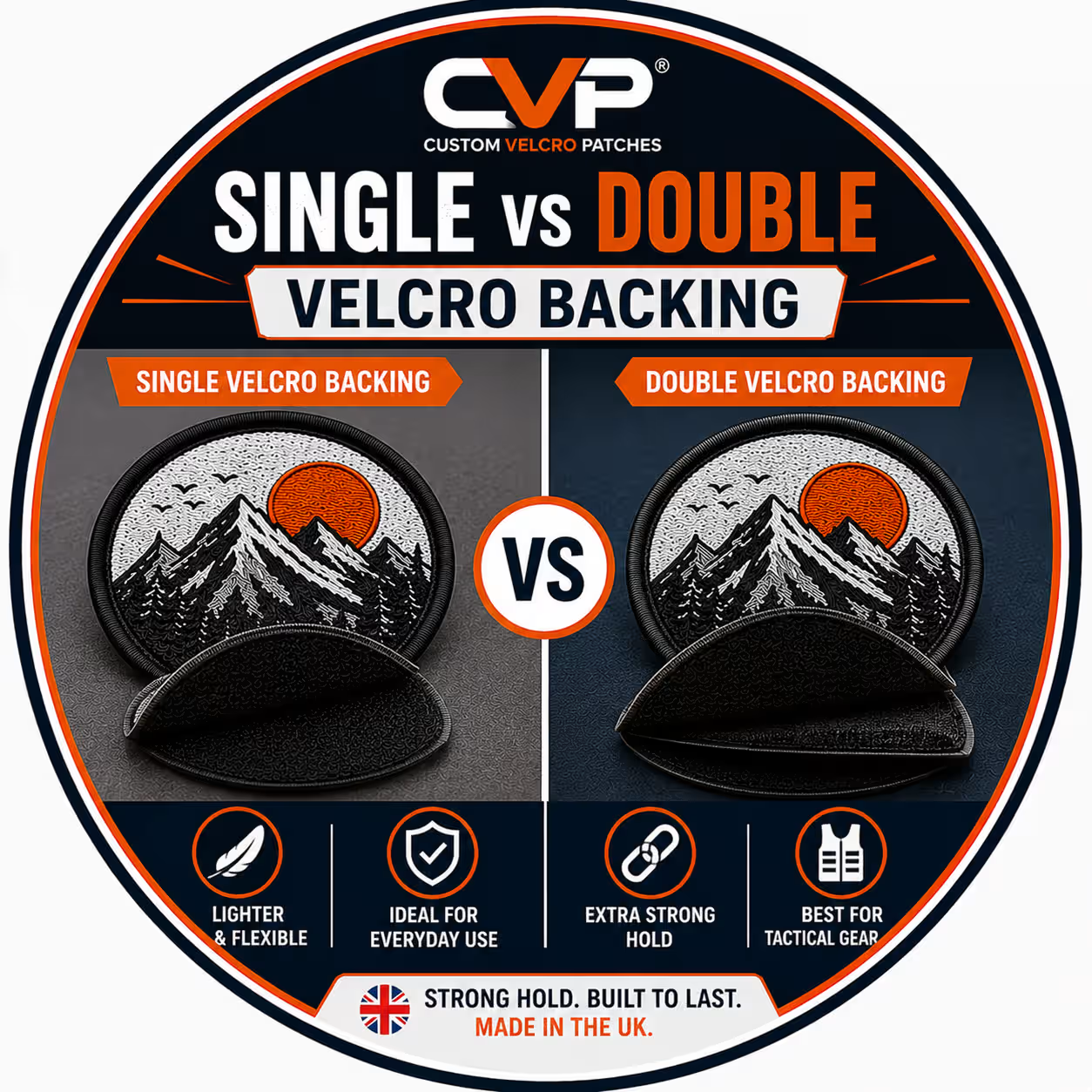
Single and double Velcro backing describe how many pieces of the hook-and-loop fastener your custom patch includes. Single backing contains one piece, the hook side. Double backing contains two pieces, the hook side and the loop side. Both options use the same hook-and-loop technology, so both deliver the same removable, repositionable hold. The difference lies in whether you supply your own loop surface or receive one with the patch.
What Is Single Velcro Backing?
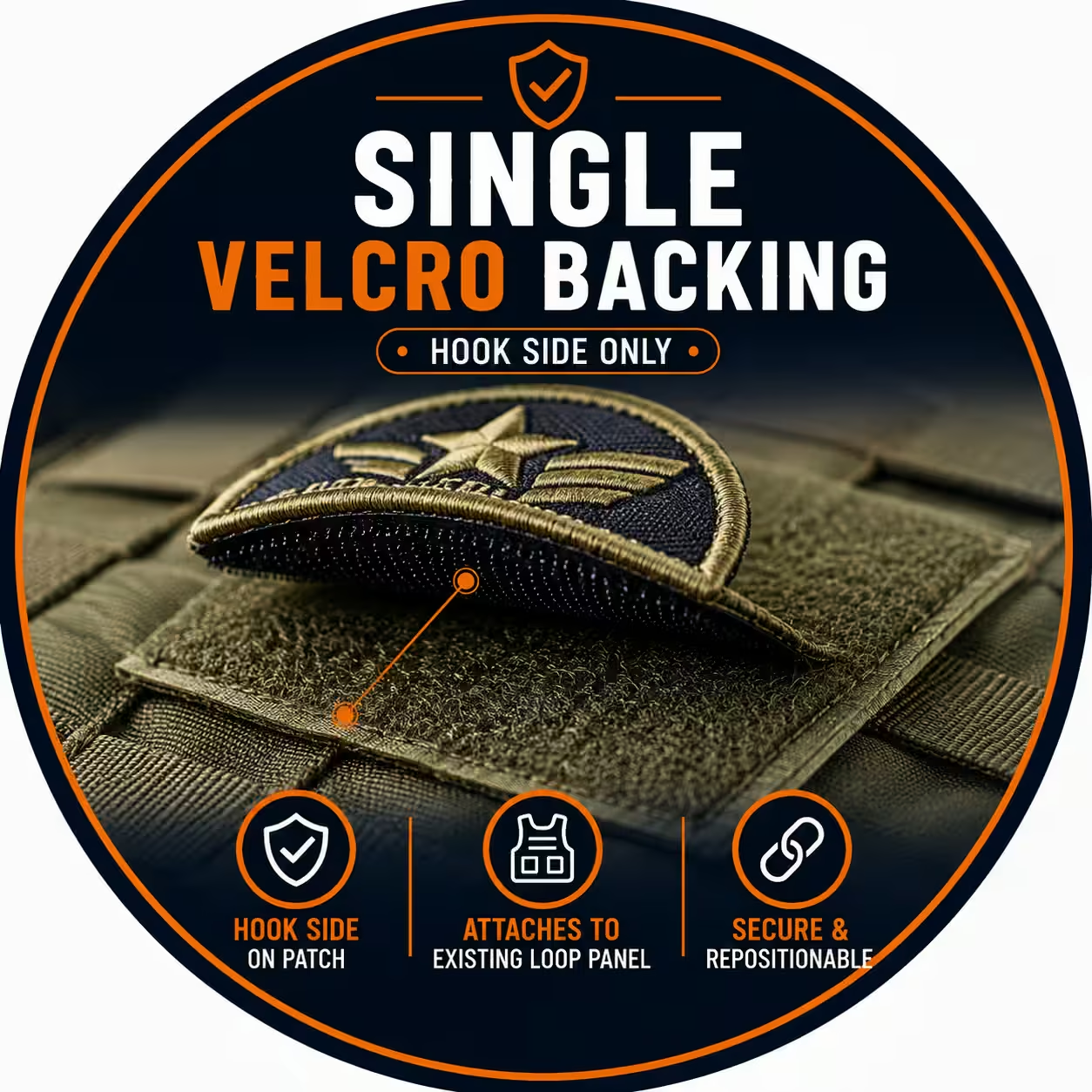
Single Velcro backing attaches the hook material directly to the back of the patch. The patch then connects to an existing loop panel on your clothing or equipment. Single backing assumes the garment already carries a loop surface, which is common on tactical vests, plate carriers, and many professional uniforms. UK police kit, cadet uniforms, and military gear usually ship with a sewn loop panel ready to receive a hook-side patch. Single backing is the standard option for these items because the garment supplies the missing half of the fastener.
What Is Double Velcro Backing?
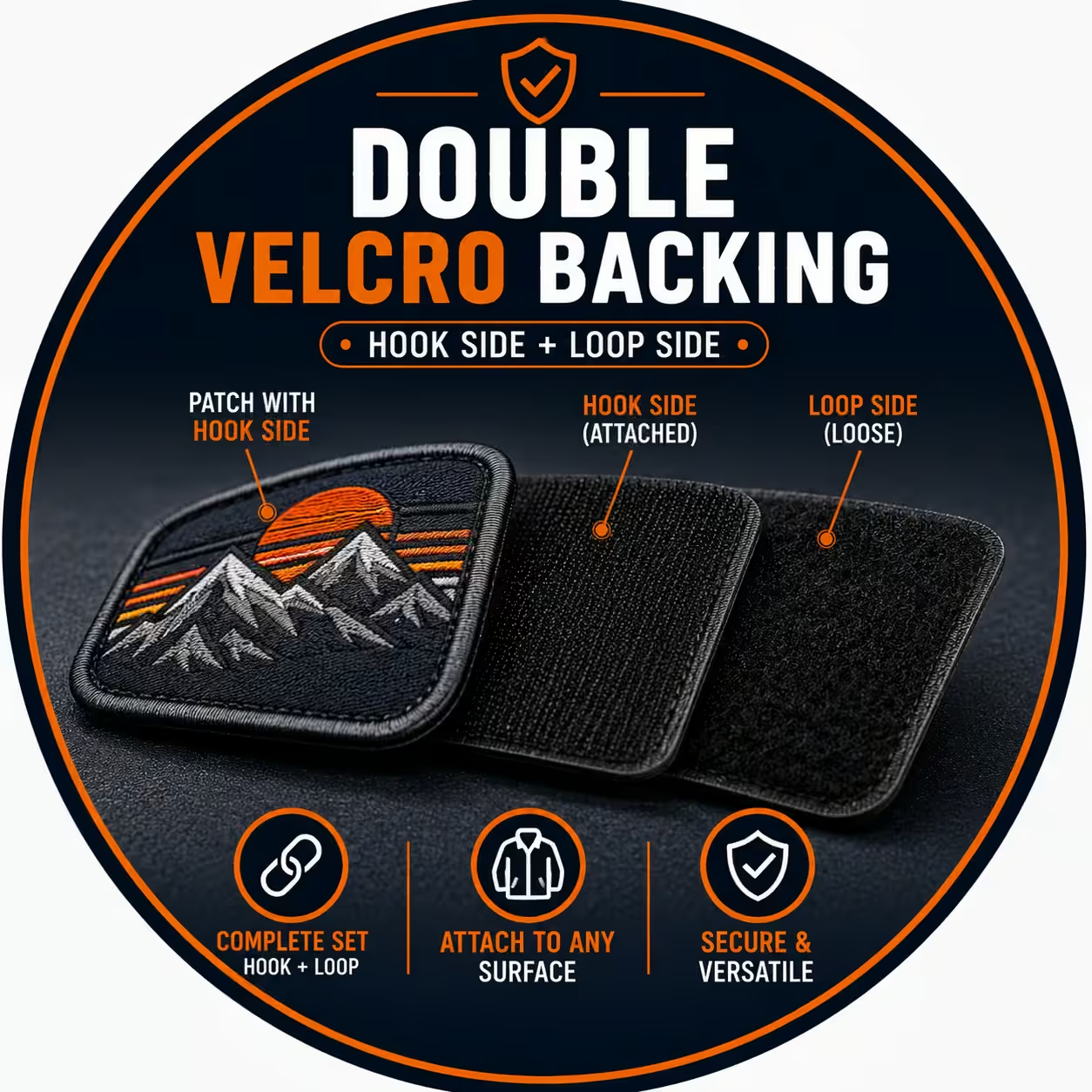
Double Velcro backing includes both the hook side and the loop side as a matched pair. The hook side stays fixed to the patch, and the loop side is supplied loose. You attach the loop side to your garment first, then press the hook-side patch onto it. Double backing suits any item that has no loop panel, such as a plain jacket, a holdall, or a baseball cap. Because the patch arrives with its own loop surface, double backing turns any compatible garment into a Velcro-ready surface without further hardware.
How Hook-and-Loop Backing Works
Hook-and-loop backing works through a two-part mechanical fastener, commonly known by the Velcro trademark. One side carries thousands of tiny stiff hooks. The opposite side carries thousands of soft fabric loops. When you press the two sides together, the hooks catch the loops and grip firmly. When you peel them apart, the hooks release without damage, which is why the bond is reusable. This mechanism gives every Velcro patch its defining benefit: attachment and removal without sewing, ironing, or adhesive.
The Hook Side and the Loop Side Explained
The hook side and the loop side perform opposite jobs in the same system. The hook side is the rougher, scratchier half, and it bonds to the back of the patch. The loop side is the softer, fuzzier half, and it bonds to the garment. The hook side always belongs to the patch, and the loop side always belongs to the surface you attach it to. Understanding this split makes the single-versus-double decision simple, because the only real question is who provides the loop side, your garment or your patch order. To explore this pairing in more depth, see our guide to the difference between the hook side and loop side.
Single vs Double Velcro Backing: Side-by-Side Comparison
The table below compares single and double Velcro backing across the attributes that affect your ordering decision. Single backing relies on a loop panel you already own. Double backing brings its own loop side, so it works on bare garments.
| Attribute | Single Velcro Backing | Double Velcro Backing |
|---|---|---|
| Pieces supplied | Hook side only | Hook side + loop side |
| Needs an existing loop panel | Yes | No |
| Loop attachment | Already on the garment | You sew or stick the loop yourself |
| Best for | Uniforms and vests with loop panels | Jackets, bags, and caps with no loop area |
| Swap-ability | High - swap any hook patch onto the panel | High - swap once the loop is fixed |
| Relative cost | Standard | Slightly higher |
Both options keep the patch fully interchangeable, so the comparison comes down to your garment rather than the patch itself. The next two sections set out exactly when each backing wins.
When to Choose Single Velcro Backing
Single Velcro backing is the right choice when your garment already carries a sewn loop panel. Choose single backing for these use cases:
- Military and cadet uniforms that ship with loop panels on the chest, sleeve, or shoulder.
- Tactical vests and plate carriers designed with large loop fields for morale and identification patches.
- Police and security kit where the loop area is standard issue across the uniform.
- Workwear with an existing Velcro area, such as branded tabards or hi-vis garments already fitted for badges.
Single backing keeps the order simple and the cost standard, because you only pay for the hook side. It also lets you swap any hook-side patch onto the same loop panel, so one garment can display many interchangeable designs. For kit that already meets this spec, single backing is the most economical and practical option. UK forces personnel posting orders to a BFPO address commonly select single backing for exactly this reason.
When to Choose Double Velcro Backing
Double Velcro backing is the right choice when your garment has no loop panel. Choose double backing for these use cases:
- Plain jackets and coats with no factory-fitted Velcro area.
- Bags, rucksacks, and holdalls where you want to add a removable patch.
- Caps and beanies that lack a loop surface.
- Bespoke or fashion garments where you want full control over where the loop sits.
Double backing solves the missing-loop problem by supplying the loop side with the patch. You decide where to position the loop, attach it, and gain a reusable Velcro surface on an item that had none. This flexibility carries a small price difference, because the order includes two pieces of hook-and-loop material instead of one. For any garment without an existing loop panel, double backing is the only Velcro option that works straight away, and you can choose between a sew-on or adhesive loop depending on how permanent you need the panel to be.
How to Attach Each Backing Type
Attaching a Velcro patch takes a different first step depending on whether you ordered single or double backing. Single backing skips straight to fixing the patch, because the loop panel is already in place. Double backing adds one preliminary step: securing the loop side to the garment. Both methods then finish the same way, by pressing the hook side onto the loop side. The steps below set out each process in order. For a full walkthrough across all garment types, see our guide on how to attach a Velcro patch.
Attaching a Single Backing Patch
Locate the loop panel on your garment, such as the chest, sleeve, or shoulder area of a uniform.
Align the patch squarely over the panel so the design sits straight.
Press the hook side firmly onto the loop panel until the fastener grips.
Check the hold by tugging the edges; the patch should stay flat and secure.
Single backing attaches in seconds, because the garment already supplies the loop side. You can remove and reposition the patch at any time without tools.
Attaching a Double Backing Patch
Separate the two pieces: the hook-side patch and the loose loop side.
Position the loop side on the garment where you want the patch to sit.
Fix the loop side to the garment by sewing it on for permanence or sticking it for a temporary hold.
Press the hook-side patch onto the newly fixed loop panel until it grips.
Double backing adds the loop-fixing step but then behaves exactly like single backing. Once the loop side is attached, the patch becomes fully removable and swappable on that surface. Whether you sew or stick the loop depends on your needs, which our comparison of sew-on vs adhesive loop backing explains in detail.
Cost and Ordering Differences in the UK
Single and double Velcro backing differ slightly in price because they use different amounts of material. Single backing includes one piece of hook material, so it carries the standard backing cost. Double backing includes both the hook side and the loop side, so it adds a small amount to the unit price. The difference is minor and depends on patch size and order volume. Larger patches and bulk orders shift the per-unit figure, so the backing choice is rarely the main cost driver.
Ordering custom Velcro patches in the UK follows the same simple route for either backing type. You upload your artwork, select single or double backing, choose your size and quantity, and receive a free digital proof before production begins. Minimum order quantities are low, standard turnaround runs to a few working days, and delivery uses tracked UK services. To confirm the exact price for your specification, request a quote for custom Velcro patches and our team will match the backing to your garment.
Our Customer Reviews
Frequently Asked Questions
Do I need double Velcro backing if my uniform already has a loop panel?
Can I sew the loop side of a double backing patch onto my own garment?
Is double Velcro backing more expensive than single?
Are single and double Velcro patches washable in the UK?
Can I swap different patches onto the same loop panel?
Single or Double Backing - Quick Summary
The decision between single and double Velcro backing rests entirely on your garment. Pick single backing when the item already carries a loop panel, such as a uniform, tactical vest, or police kit, because you only need the hook-side patch to complete the pair. Pick double backing when the item has no loop surface, such as a plain jacket, bag, or cap, because the order then supplies its own loop side and turns any garment into a Velcro-ready surface. Single backing keeps the cost standard; double backing adds a small charge for the extra loop material. Both options give you the same removable, repositionable, fully swappable hold that defines a quality custom Velcro patch. When you know whether your garment has a loop panel, the right backing follows automatically, and a free quote confirms the rest.