Sew-On vs Adhesive Loop Panels
Loop panels are the soft fastener side of a hook-and-loop system that attaches a hook-backed patch to a garment. A garment carries the loop panel, and the patch carries the hook side, so the two surfaces grip together on contact. This guide compares two loop attachment methods, the sew-on loop panel and the adhesive loop panel, for UK uniforms, workwear, and tactical kit, so you can choose the right backing before you order your custom patches.
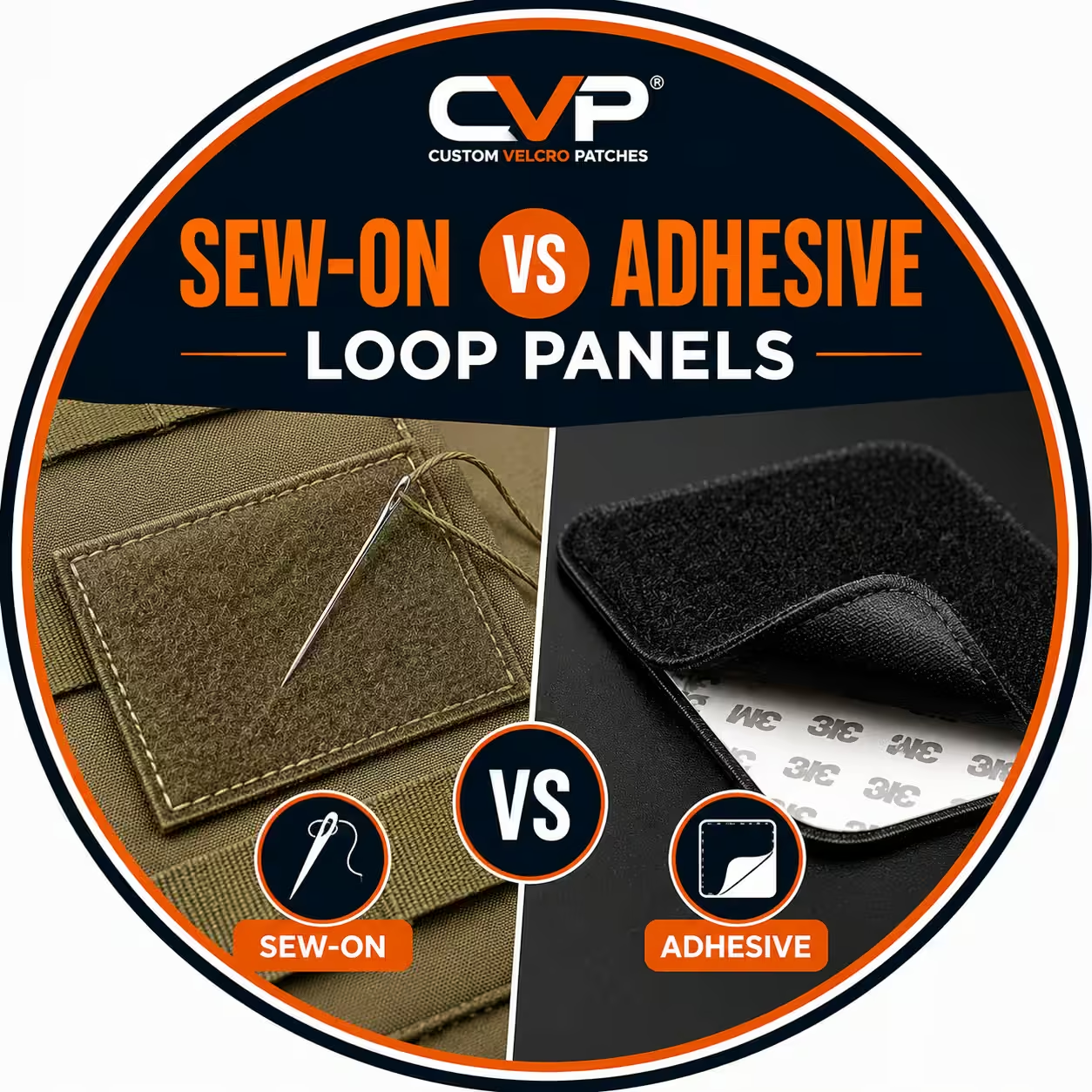
What Is a Loop Panel?
A loop panel is the soft, fuzzy half of a hook-and-loop fastener that bonds to a garment and receives the hook side of a patch. The hook side grips the loop side, and that grip lets you attach, remove, and reattach a patch in seconds. Custom Velcro patches use this two-part system: the patch holds the hook backing, and the garment holds the loop panel.
The loop panel does the permanent work in this relationship. The hook-backed patch stays removable, but the loop panel stays fixed to the jacket, vest, or shirt. Because the loop panel anchors the whole system, the way you attach it decides how long the system lasts. Two methods attach a loop panel to fabric: stitching it on, or pressing on a self-adhesive backing.
Sew-On vs Adhesive Loop Panels: Quick Comparison
Sew-on loop panels are stitched to the garment for a permanent hold, and adhesive loop panels peel and stick for a temporary one. The table below sets the two methods side by side on the attributes that matter most for UK orders.
| Attribute | Sew-On Loop Panel | Adhesive Loop Panel |
|---|---|---|
| Attachment method | Stitched to the garment | Peel-and-stick self-adhesive |
| Permanence | Permanent | Temporary / semi-permanent |
| Durability | Highest - survives repeated washing | Weakens with heat and wash cycles |
| Best for | Uniforms, workwear, tactical, frequent wash | Trials, samples, low-wash items, quick fixes |
| Skill or equipment | Needle and thread, or a sewing machine | None - press on by hand |
| Bond over time | Reattachable indefinitely | Bond degrades after repeated use |
| Typical UK use case | MOD, police, and corporate uniforms | Events, promotional kit, temporary roles |
The comparison shows a clear split: sew-on loop panels win on durability, and adhesive loop panels win on speed. The sections below explain each method in full so the trade-off makes sense for your fabric and use case.
What Is a Sew-On Loop Panel?
A sew-on loop panel is a soft loop fastener stitched directly onto a garment with thread. The stitches lock the panel to the fabric, which creates the strongest and most reliable hold of any loop attachment method. UK uniform suppliers fit sew-on loop panels as standard because the bond survives industrial laundering.
How a Sew-On Loop Panel Is Attached
Position the loop panel on the garment where the patch will sit.
Pin or tack the panel to hold it square and flat.
Stitch around the full perimeter of the panel with a straight or zigzag stitch.
Trim the threads and check the panel lies flush against the fabric.
A sewing machine produces the most durable result, but a needle and thread attach the panel by hand just as permanently. The stitched edge stops the panel lifting at the corners, which is the first failure point on any backing.
Advantages of Sew-On Loop Panels
Sew-on loop panels deliver the longest service life of any loop attachment method. Their stitched bond gives them several clear advantages:
- Maximum durability - the panel withstands repeated washing, tumble drying, and heavy daily wear.
- Industrial-wash safe - the stitches survive the high-temperature laundering used for police, medical, and military uniforms.
- Flat, professional finish - the panel sits flush, so the patch lies level and clean.
- No heat damage - sewing applies no heat, so the method suits heat-sensitive fabrics.
- Permanent placement - the panel stays exactly where you fix it for the life of the garment.
Limitations of Sew-On Loop Panels
Sew-on loop panels demand more time and skill than the adhesive alternative. The method carries a few trade-offs:
- Setup effort - stitching requires a needle, thread, or a sewing machine and a few minutes per panel.
- Some skill needed - a neat, square result takes a steady hand or basic machine experience.
- Fixed position - once stitched, the panel does not move, so accurate placement matters from the start.
Sew-on loop panels suit garments that face frequent wear and washing, which is exactly where adhesive panels struggle. The next method trades that durability for speed and convenience.
What Is an Adhesive Loop Panel?
An adhesive loop panel is a soft loop fastener with a self-adhesive backing that sticks onto a garment without stitching. A peel-off liner protects the adhesive until you press the panel onto the fabric. This peel-and-stick method attaches a loop panel in seconds, which makes it the fastest backing option for hook-and-loop patches.
How an Adhesive (Self-Adhesive) Loop Panel Is Applied
Clean the fabric surface so dust and fibres do not weaken the bond.
Peel the protective liner from the back of the loop panel.
Position the panel and press it firmly onto the garment for several seconds.
Leave the bond to cure before attaching the hook-backed patch.
The method needs no needle, thread, or machine, so anyone applies it without sewing skill. A firm, even press across the whole panel sets the strongest possible adhesive bond.
Advantages of Adhesive Loop Panels
Adhesive loop panels prioritise speed and simplicity over permanence. Their peel-and-stick design gives them several practical advantages:
- No sewing required - the panel sticks on by hand, with no tools and no skill.
- Fast application - the panel attaches in seconds, which suits bulk or last-minute jobs.
- Clean placement - the panel positions precisely before the press sets the bond.
- Damage-free on trials - the panel suits sample runs and temporary kit where stitching is unnecessary.
Limitations of Adhesive Loop Panels
Adhesive loop panels trade durability for that convenience. The method carries clear limitations:
- Weaker long-term hold - the adhesive bond loosens under stress far sooner than stitching.
- Poor wash performance - heat and repeated wash cycles break down the adhesive layer.
- Fabric sensitivity - the adhesive grips smooth fabrics poorly and lifts at the edges over time.
- Not for heavy wear - the panel fails on garments that face daily use or industrial laundering.
Adhesive loop panels work for short-term, low-wash use, but they cannot match a stitched bond under pressure. Durability is where the two methods separate most sharply.
Durability and Wash Performance Compared
Sew-on loop panels outlast adhesive loop panels by a wide margin. A stitched panel holds through hundreds of wash cycles, including the high-temperature laundering used for uniforms. Stitching forms a mechanical bond that heat and water do not break, so the panel keeps its grip for the life of the garment.
Adhesive loop panels weaken every time the garment is washed. Heat softens the adhesive, and agitation lifts the panel edges, so the bond degrades after repeated cycles. For any garment washed weekly or more, an adhesive panel loses reliability long before a sewn one shows wear. Reinforcing an adhesive panel with stitching around the edge restores durability, which is why heavy-use orders default to sew-on loop. Fabric choice changes this picture further, because some materials hold a loop panel better than others.
Which Loop Panel Suits Your Fabric?
Loop panel performance depends on the garment fabric. The right attachment method changes with the material below it.
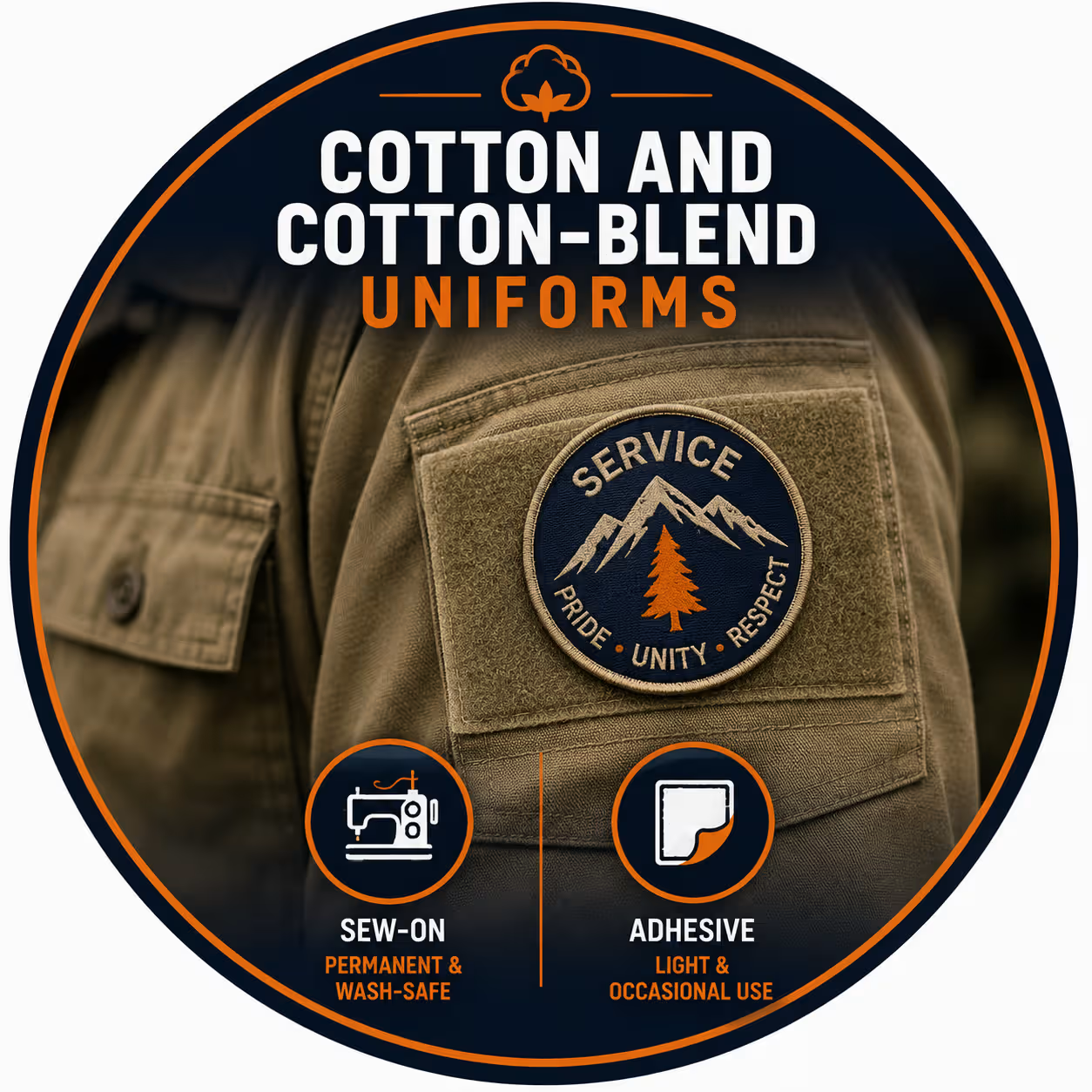
Cotton and Cotton-Blend Uniforms
Cotton fabrics hold both loop panel methods well. A sew-on loop panel gives cotton uniforms a permanent, wash-safe bond, while an adhesive panel suits cotton items that face light, occasional use.
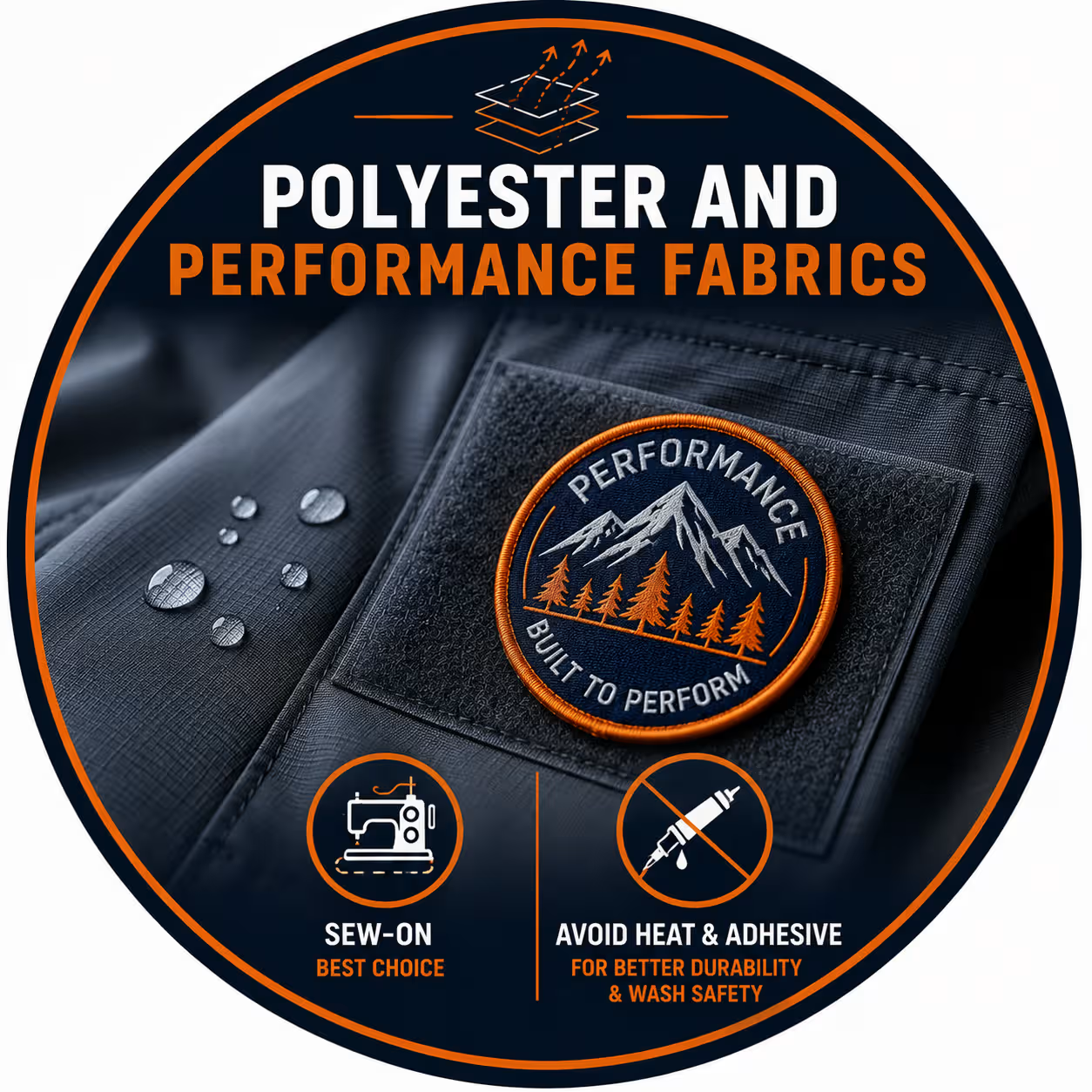
Polyester and Performance Fabrics
Polyester and performance fabrics suit a sew-on loop panel. These fabrics are lightweight and sometimes heat-sensitive, so stitching avoids the heat and adhesive problems that loosen a stuck panel during washing.
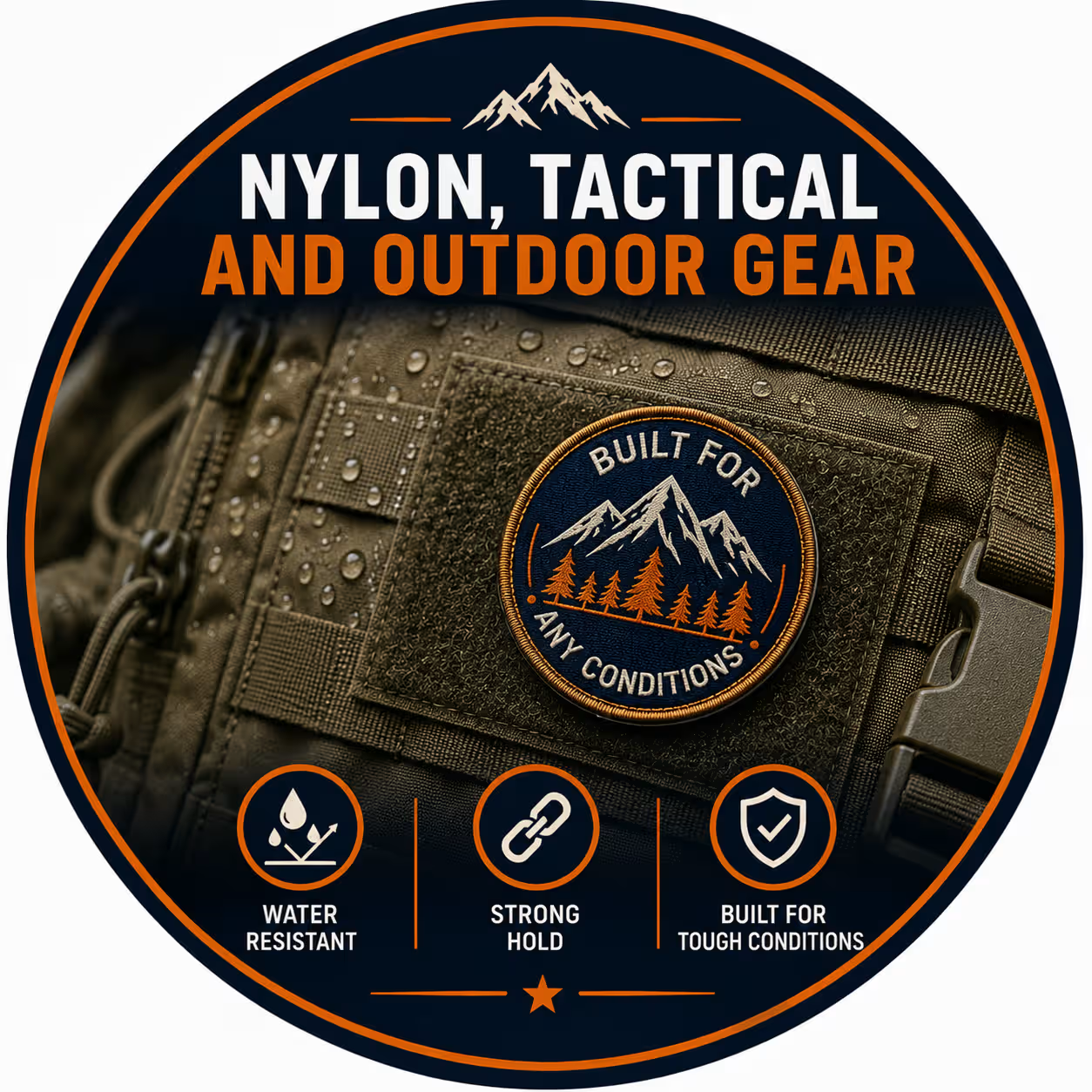
Nylon, Tactical and Outdoor Gear
Nylon and tactical fabrics demand a sew-on loop panel. Nylon is slippery and water-resistant, so adhesive grips it poorly, while stitching anchors the panel through rough outdoor conditions and frequent laundering.
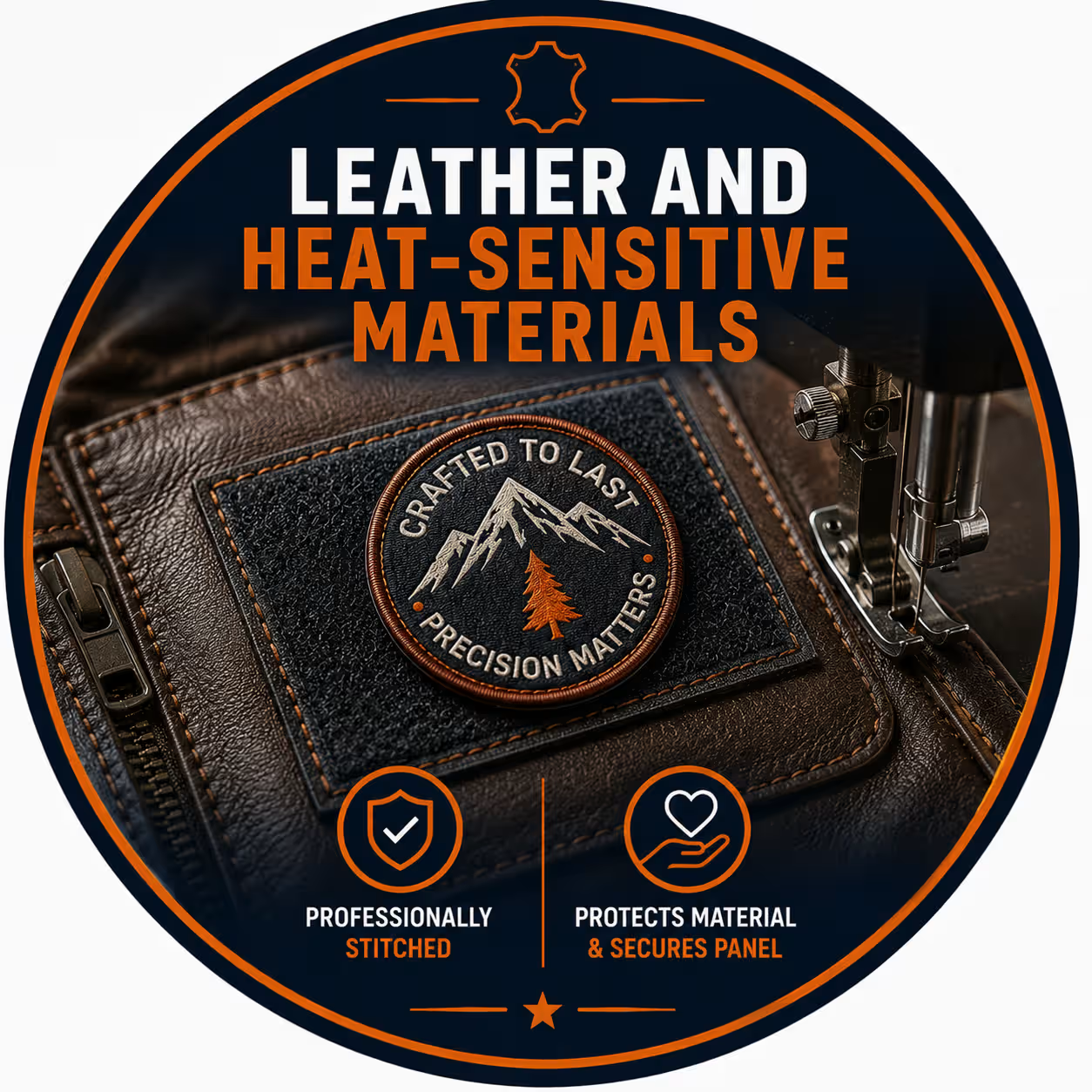
Leather and Heat-Sensitive Materials
Leather and heat-sensitive materials suit a stitched or professionally fitted loop panel. Sewing leather requires care because needle holes are permanent, so specialist application protects the material while securing the panel.
The fabric decides the floor of performance, but the use case decides the final choice. The next section turns the comparison into a direct recommendation.
Which Loop Panel Should You Choose?
The right loop panel depends on how often the garment is worn and washed. The two methods serve two different jobs.
Choose Sew-On Loop for Permanent, High-Wear Uniforms
Choose a sew-on loop panel for uniforms, workwear, and tactical gear. These garments face daily wear and frequent washing, so the stitched bond delivers the durability and professional finish the job demands. MOD, police, and corporate uniform orders use sew-on loop as standard.
Choose Adhesive Loop for Temporary, Low-Wash or Trial Use
Choose an adhesive loop panel for temporary roles, events, and sample runs. These uses need speed over permanence, so the peel-and-stick method fits short-term kit and low-wash items without the time cost of stitching.
How to Order Hook-and-Loop Patches in the UK
Custom hook-and-loop patches ship with both the hook and loop sides included, so every patch arrives ready to attach. When you order, you select the loop panel backing, sew-on for permanent uniforms or adhesive for temporary kit, alongside your patch type, size, and design. UK suppliers offer embroidered, PVC, and woven hook-and-loop patches with low minimum orders, fast turnaround, and a free digital proof before production.
For full guidance on fitting both sides of the system, see our hook-and-loop patches pillar and the step-by-step how to attach hook-and-loop patches guide. To keep a stitched loop panel performing through repeated laundering, follow our washing and care for Velcro patches advice, and to compare panel thickness options read single vs double loop backing. Military and cadet orders, including BFPO delivery, are covered on our military and cadet patches page. When you are ready, get a free quote for custom Velcro patches with Royal Mail tracked delivery across the UK.
Our Customer Reviews
Frequently Asked Questions
Is a sew-on loop panel stronger than an adhesive one?
Can you wash a garment with an adhesive loop panel?
Does the patch or the garment get the loop panel?
Can you sew an adhesive loop panel for extra strength?
Are loop panels included with custom Velcro patches?
Key Takeaways
Loop panel choice comes down to a single question: permanent or temporary. Stitching binds the loop side to the garment for years of heavy wear and hot washing, which is why uniforms, tactical gear, and workwear rely on it. Sticking the loop side on saves time and skill but surrenders that longevity, so it earns its place on trials, events, and rarely washed kit. Match the method to how hard the garment lives, pick the fabric-appropriate option, and your hook-and-loop patches stay secure for as long as you need them.