Velcro vs Iron-On vs
Sew-On Patches
Patch backing is the attachment layer that bonds a custom patch to fabric, available as Velcro (hook-and-loop), iron-on, or sew-on. This guide compares all three backing types so you can choose the right one for your garment, uniform, or gear before you order. Your choice determines how long the patch lasts, which fabrics it suits, and whether you can remove it. Custom patches in the UK ship with any of these three backings, and the right pick depends on durability, fabric, and removability.
What Is the Difference Between Velcro, Iron-On and Sew-On Patches?
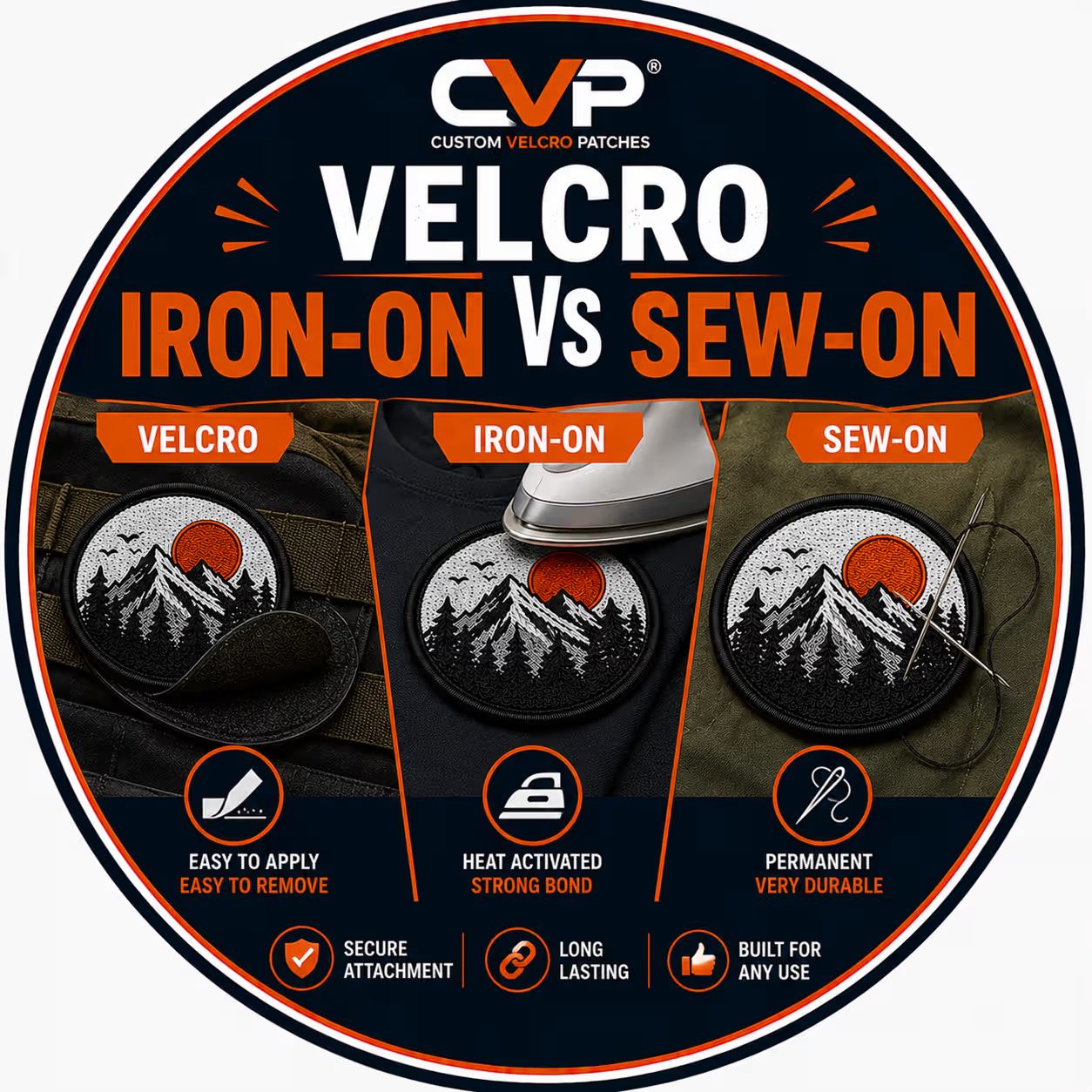
Velcro, iron-on, and sew-on patches differ in one core attribute: how the patch attaches to the fabric. Velcro patches attach through a hook-and-loop fastener and stay removable. Iron-on patches attach through heat-activated adhesive and stay semi-permanent. Sew-on patches attach through stitching and stay permanent. The patch design itself, embroidered, woven, or PVC, does not change; only the backing changes.
The table below compares the three backing types across the attributes that matter most when ordering custom patches.
| Attribute | Velcro (Hook-and-Loop) | Iron-On | Sew-On |
|---|---|---|---|
| Removable? | Yes, swap freely | No, semi-permanent | No, permanent |
| Durability | High (hook wears, patch lasts) | Low–medium (20–50 washes) | Highest (unlimited washes) |
| Application | Press onto sewn loop side | Household iron, 15–30 sec | Hand or machine stitch |
| Best fabric | Most fabrics (loop pre-sewn) | Cotton, cotton-blend | All fabrics |
| Permanence | Reusable | Temporary–medium | Permanent |
| Best for | Military, tactical, workwear | Casual wear, bags, hats | Uniforms, denim, heavy use |
| Tools needed | None (loop pre-fitted) | Iron | Needle or sewing machine |
Each backing type carries its own strengths, and the sections below explain how each one works, where it performs best, and where it falls short.
Velcro (Hook-and-Loop) Patches
Velcro patches attach through a hook-and-loop fastener system that grips and releases on demand. The patch carries the rough hook side on its back, and the garment carries the soft loop side stitched into place. This two-part system lets the wearer remove, reposition, and reattach the patch in seconds without damaging the fabric. Hook-and-loop backing suits any environment where patches change often.
How Hook-and-Loop Backing Works
Hook-and-loop backing uses two interlocking surfaces: tiny stiff hooks on one face and dense soft loops on the other. The hooks catch the loops under light pressure and hold firm until you peel them apart. Manufacturers fuse the hook side to the back of the patch and supply a matching loop base that you sew or mount onto the garment. The patch then presses on and pulls off repeatedly, which makes hook-and-loop the standard backing for swappable insignia.
Best Uses for Velcro Patches (UK)
Velcro patches serve UK sectors where patches change frequently or gear gets heavy use. Military and cadet units use hook-and-loop backing to swap rank, name, and unit patches, and BFPO addresses receive these orders for forces personnel overseas. Police and security teams use Velcro patches on tactical vests and body armour. Workwear suppliers fit hook-and-loop badges so staff names update without re-ordering garments. Sports and motorcycle clubs use Velcro patches on kit bags and team gear. Each of these uses values removability over permanence.
Limitations of Velcro Patches
Velcro patches carry trade-offs that suit some projects less than others. The hook side adds bulk, so the patch sits slightly raised off the garment rather than flush. The loop base requires sewing onto the fabric first, which adds a setup step. The hook material also collects lint over time and loses grip if left uncleaned. On fine fashion garments, the raised profile can look heavy rather than tailored.
Advantages of Velcro Patches
Velcro patches deliver flexibility that fixed backings cannot match. Their main benefits include:
- Reusability - the patch transfers between jackets, vests, and bags without tools.
- Fast swapping - wearers change rank, name, or unit patches in seconds.
- No fabric damage - removing the patch leaves the garment intact.
- Material freedom - Velcro patches can be embroidered, woven, or made from PVC.
- Field-ready - operators update insignia without sewing or ironing.
These advantages make hook-and-loop backing ideal for organisations that reissue or rotate patches, which the next section explains.
Iron-On Patches
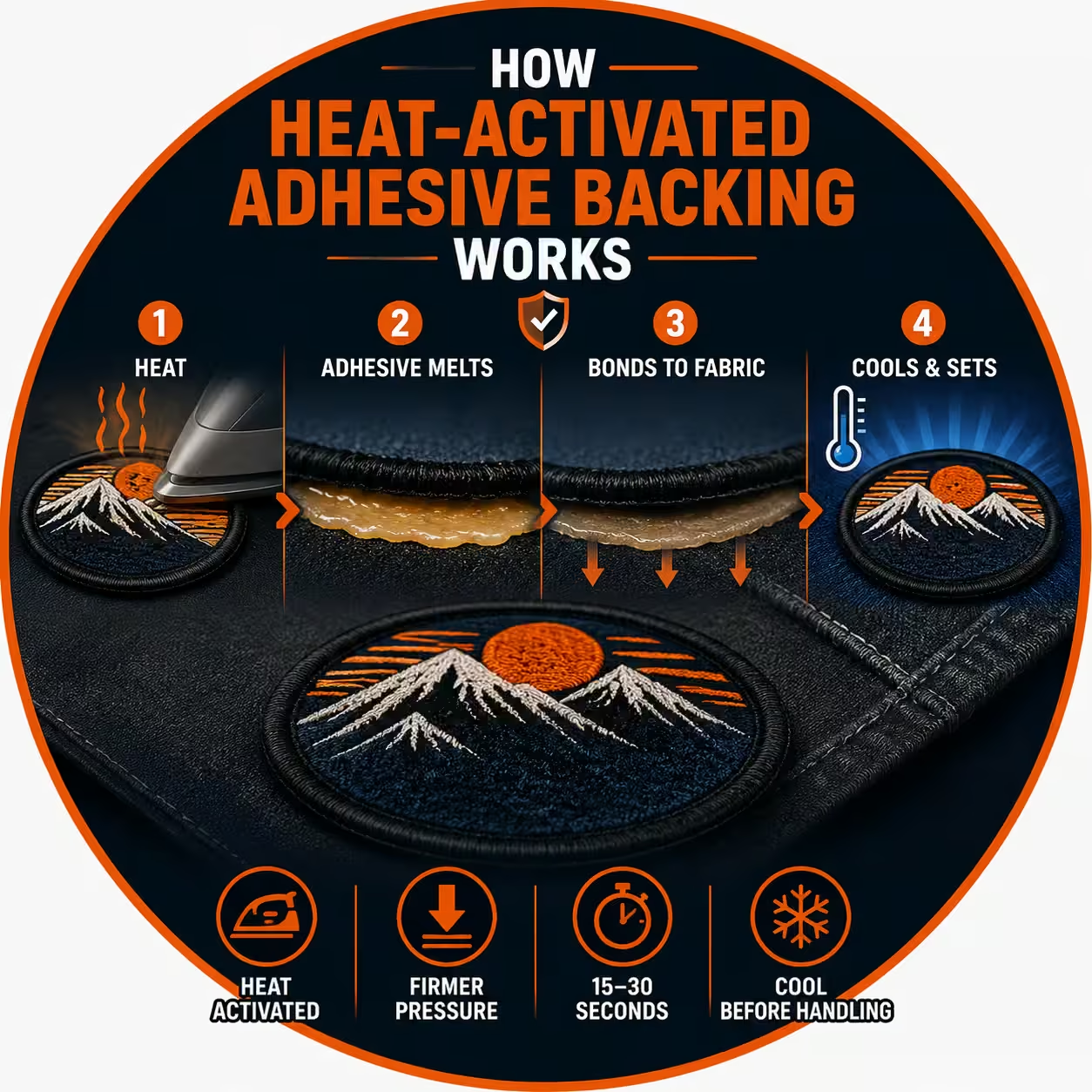
Iron-on patches attach through a heat-activated adhesive layer pressed onto the fabric with a household iron. The adhesive melts under heat, flows into the fabric fibres, and sets as it cools to form a bond. This backing applies at home in under a minute and needs no sewing. Iron-on backing suits casual projects and smooth, heat-safe fabrics.
How Heat-Activated Adhesive Backing Works
Heat-activated adhesive backing is a thin thermoplastic film fused to the back of the patch during production. The iron's heat softens the film, the film penetrates the fabric weave, and the cooling stage locks the patch in place. Correct application uses firm downward pressure on a hard surface for 15–30 seconds, a protective cloth over the patch, and full cooling before handling. The bond strengthens as it cools, which is why moving the iron or lifting too early weakens it.
Best Uses for Iron-On Patches
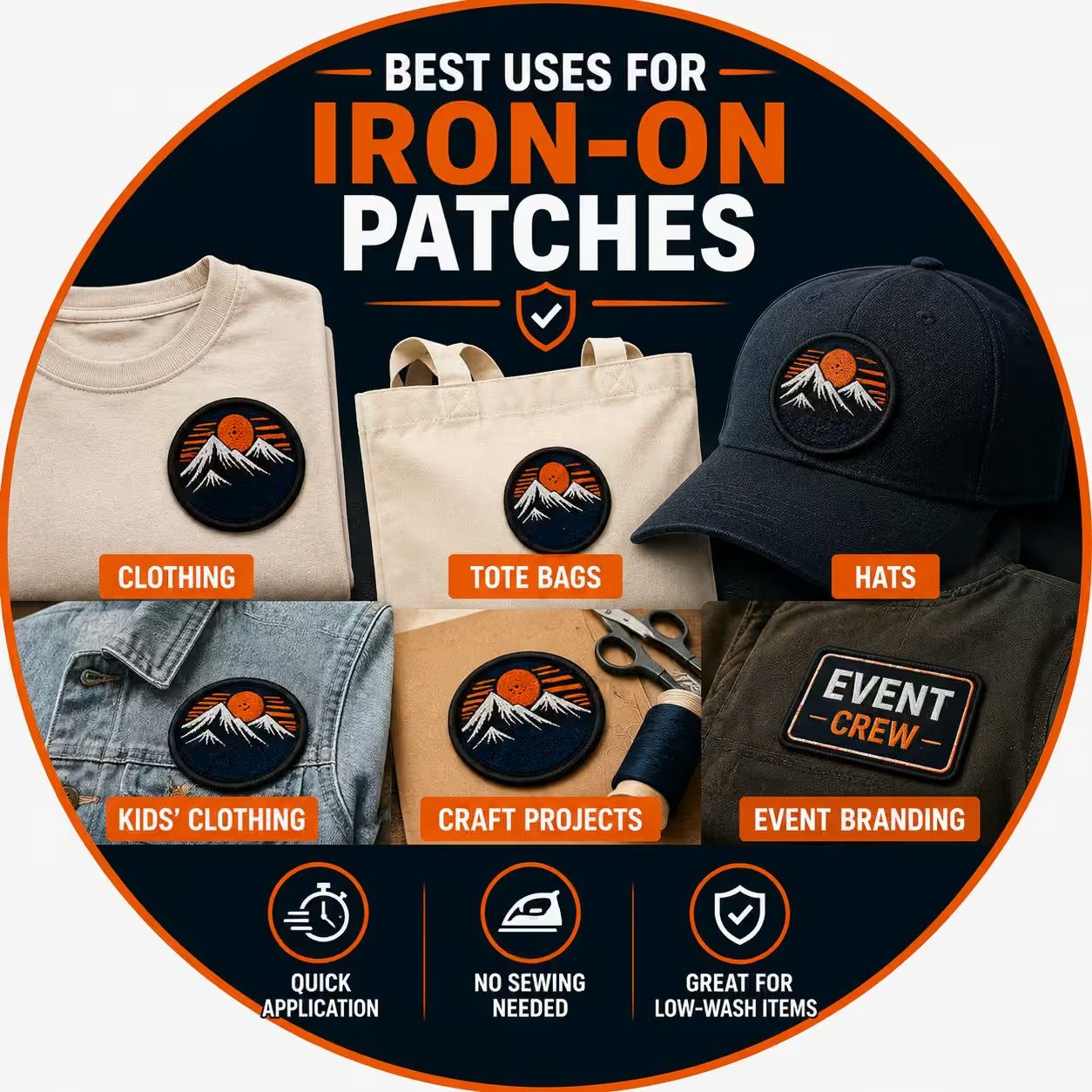
Iron-on patches suit projects where convenience outweighs permanence. They work well on cotton and cotton-blend garments, tote bags, hats, and personal craft projects. Parents use iron-on patches to personalise children's clothing quickly. Event organisers use them for one-off branding on low-wash items. For any garment washed often, customers reinforce the iron-on patch with edge stitching.
Limitations of Iron-On Patches
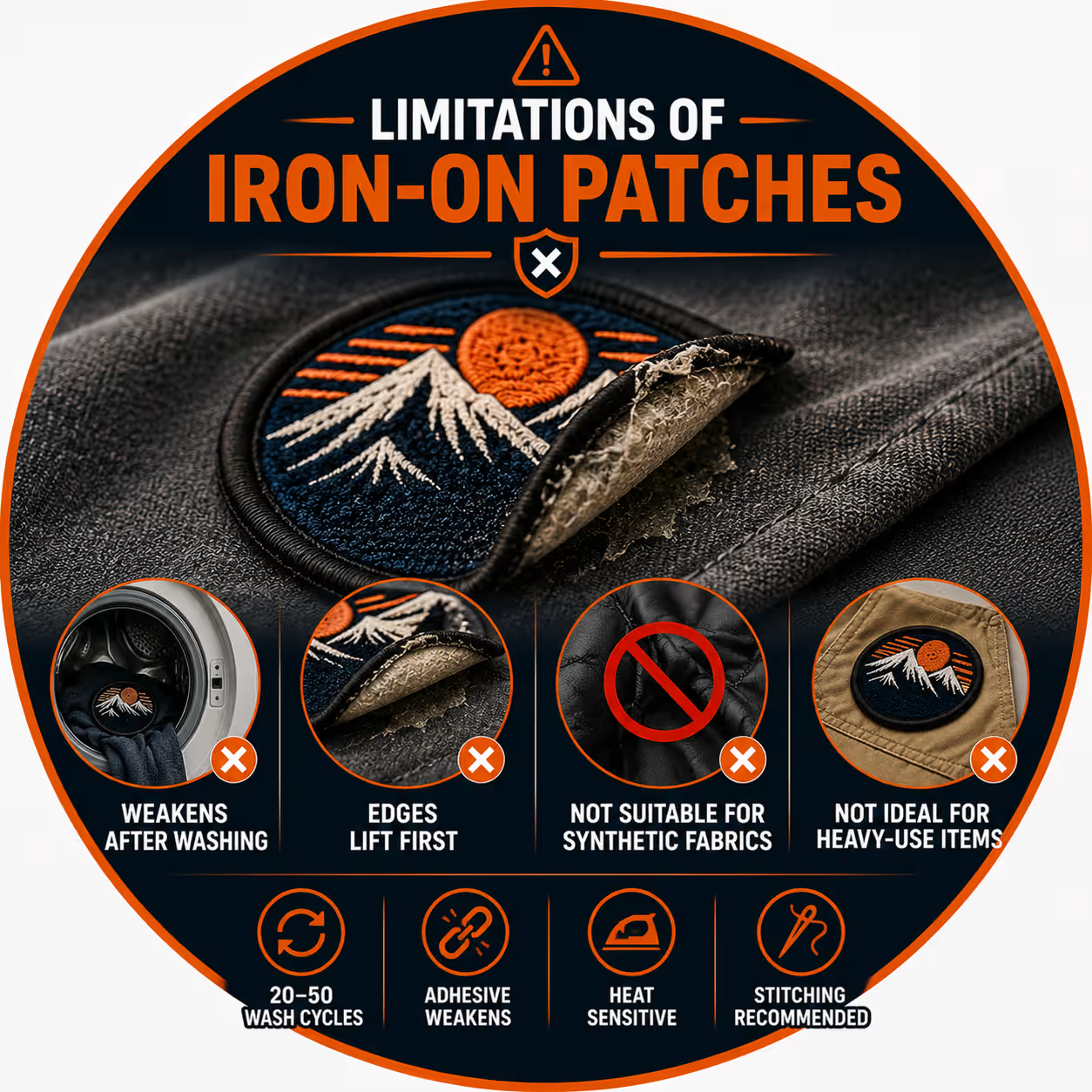
Iron-on patches sacrifice longevity for convenience. The adhesive bond weakens after repeated washing and typically loosens within 20–50 wash cycles. Synthetic fabrics such as nylon and polyester melt under the required heat, so iron-on backing cannot bond to them safely. Edges lift first, especially on items that flex, fold, or rub. For heavy-use or frequently washed garments, iron-on backing alone rarely holds for the life of the garment.
Advantages of Iron-On Patches
Iron-on patches win on speed and simplicity. Their main benefits include:
- Fast application - the patch bonds in 15–30 seconds with a household iron.
- No sewing skill - anyone can apply iron-on backing at home.
- Clean, flat finish - the patch sits flush against smooth fabric.
- Low effort - ideal for casual wear, children's clothing, and quick personalisation.
- Even coverage - the adhesive spreads across the full patch, not just the edges.
These benefits make iron-on backing the convenient choice for low-wash items, though durability sets its limit, as the next section explains.
Sew-On Patches
Sew-on patches attach through stitching, either by hand or sewing machine, to form the strongest and most permanent bond. The thread holds the patch directly to the garment, with no adhesive or fastener involved. This backing withstands unlimited wash cycles and suits every fabric type. Sew-on backing is the most durable and professional option for custom patches.
How Sew-On Backing Works
Sew-on backing uses thread stitched through the patch border and into the garment fabric. A tailor, uniform supplier, or sewing machine runs stitches around the merrow border or edge of the patch to fix it in place. Many sew-on patches include a thin plastic backing that stiffens the patch and stops the needle snagging on dense embroidery, a feature standard on professional uniform patches with high thread coverage. The stitched bond cannot loosen through washing or wear, which makes it permanent.
Best Uses for Sew-On Patches
Sew-on patches serve garments that face heavy use, frequent washing, and demand a permanent, professional finish. Workwear and corporate uniforms use sew-on badges so logos survive industrial laundering. Sports clubs and motorcycle clubs sew club badges and back patches onto jackets for a permanent, traditional finish. Schools fit sew-on crests to blazers that last several years and several owners. The shared requirement across these uses is permanence and durability, sew-on is the answer whenever a patch must stay put and look sharp through years of service.
Limitations of Sew-On Patches
Sew-on patches require more time and skill to apply than the alternatives. Hand or machine stitching takes longer than ironing or pressing, and curved surfaces such as hats are difficult to sew. The patch becomes permanent once stitched, so it cannot be swapped or repositioned. Customers without sewing equipment often use a uniform supplier, dry cleaner, or tailor, which adds a small cost. For anyone needing removability, sew-on backing is the wrong choice.
Advantages of Sew-On Patches
Sew-on patches lead on durability and finish. Their main benefits include:
- Maximum durability - stitched patches survive unlimited wash cycles and years of daily wear.
- Universal fabric fit - sew-on backing works on leather, wool, denim, and synthetics alike.
- Professional appearance - the patch sits flush with a clean, tailored edge.
- No heat needed - safe for fabrics that iron-on backing would melt.
- Permanent hold - the patch stays exactly where it is stitched.
These advantages make sew-on backing the standard for uniforms and high-wear garments, though application demands more effort, as the final section explains.
Durability Compared - How Long Each Backing Lasts
Durability is the attribute that separates the three backings most sharply, measured in wash cycles and years of wear. Sew-on backing lasts longest, Velcro lasts second, and iron-on lasts shortest. The data points below show the practical lifespan of each backing type under regular use.
Sew-on lifespan
Unlimited wash cycles | 5–10+ years daily wear
Velcro lifespan
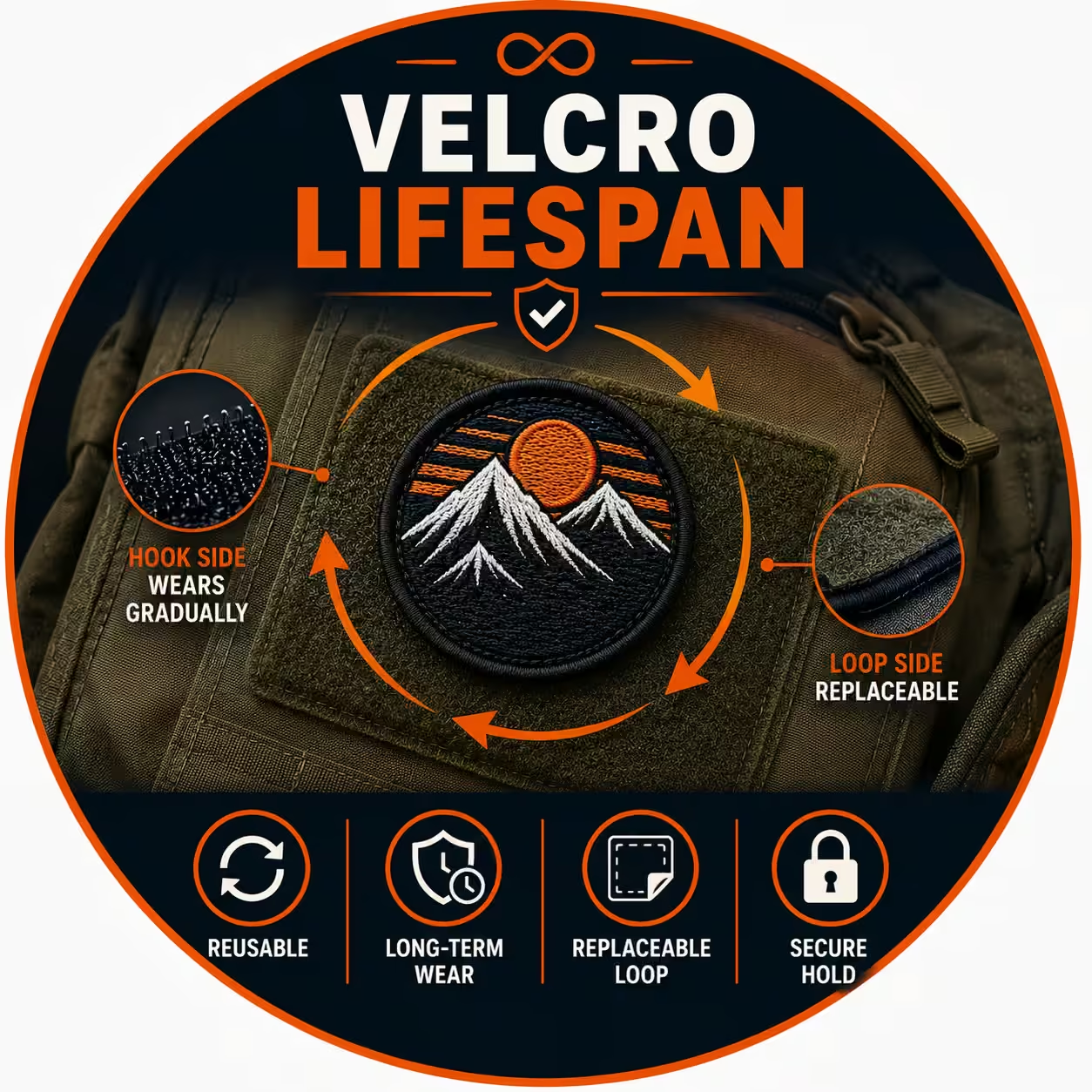
Hook wears slowly | patch itself lasts indefinitely | loop side replaceable
Iron-on lifespan
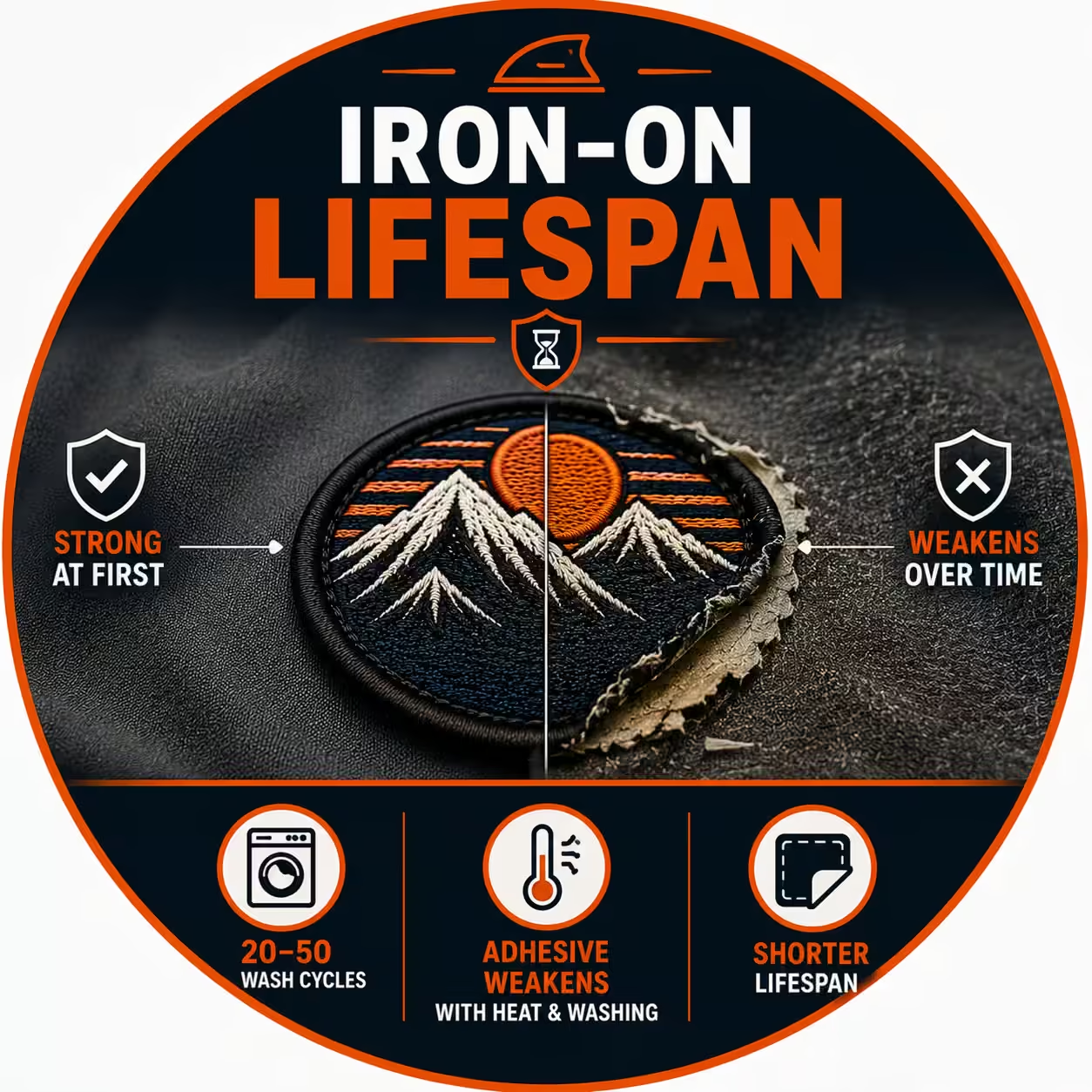
20–50 wash cycles | adhesive weakens with heat and washing
Sew-on patches hold permanently because thread does not degrade through washing. Velcro patches stay durable because the patch never wears, only the hook material loses grip over time, and you can replace the loop base when it does. Iron-on patches fade fastest because the heat-activated adhesive breaks down under repeated washing, and the edges lift first. For garments washed often, durability points clearly toward sew-on or Velcro backing, which depends next on the fabric you are attaching to.
Which Backing Suits Your Fabric?
Fabric type decides which backing bonds safely and which one fails. Iron-on backing needs heat-safe fabric, sew-on backing suits every fabric, and Velcro backing works wherever a loop base can be sewn. The matrix below maps each backing to common UK garment fabrics.
| Fabric | Velcro | Iron-On | Sew-On |
|---|---|---|---|
| Cotton | ✓ | ✓ | ✓ |
| Denim | ✓ | ✓ | ✓ |
| Polyester / Nylon | ✓ | ✗ (melts) | ✓ |
| Leather | ✓ | ✗ | ✓ |
| Wool / Delicates | ✓ | ✗ | ✓ |
| Hi-Vis / Workwear | ✓ | Conditional | ✓ |
Cotton and denim accept all three backings because they tolerate heat and stitching. Polyester, nylon, and other synthetics reject iron-on backing because the high heat melts the fibres, so sew-on or Velcro backing is the safe choice. Leather and wool also rule out iron-on backing, leaving sew-on or Velcro. Once the fabric narrows your options, the question of combining backings often follows.
Can You Combine Iron-On and Sew-On Backing?
Yes, you can apply iron-on backing first and then stitch the edges for a permanent hold. This combined method uses the iron-on adhesive to position and tack the patch flat, then adds edge stitching to lock it down for the life of the garment. The iron-on layer gives clean placement, and the stitching gives durability that adhesive alone cannot reach. Many UK customers use this hybrid method on jackets and bags that need both a neat finish and a lasting bond. The combined approach merges the speed of iron-on application with the permanence of sew-on backing.
Cost and Minimum Order Differences (UK)
Backing type affects the cost and minimum order of a custom patch order in the UK. Sew-on and iron-on backings usually cost the least and carry the lowest minimums. Velcro backing adds a small surcharge because it requires the matching loop base and an extra production step. The key ordering factors are:
- Sew-on backing: lowest cost | lowest minimum order quantity
- Iron-on backing: low cost | included on most orders
- Velcro backing: small surcharge | two-part hook-and-loop set supplied
UK orders are priced in £ and subject to 20% VAT, with standard turnaround of 5–10 working days and rush production available. Minimum order quantities for custom patches typically start low, which suits clubs, schools, and small businesses ordering bespoke designs. For full pricing tiers and minimum order quantities, see the patch pricing and minimum order quantities page. Cost rarely decides the backing alone, use matters more, which the decision steps below set out.
How to Choose the Right Patch Backing
Choosing the right patch backing follows four questions about how you will use the patch. Answer them in order, and the correct backing becomes clear.
- Will you remove or swap the patch? If yes, choose Velcro backing for repeatable removal. If no, move to the next question.
- What fabric are you attaching to? If the fabric is synthetic, leather, or wool, rule out iron-on backing and choose sew-on or Velcro.
- How much washing and wear will it face? If the garment is washed often or worn hard, choose sew-on backing for unlimited durability.
- Is a professional, permanent finish critical? If yes, choose sew-on backing for a flush, tailored result.
Each question narrows the choice until one backing fits your project. Once you know the backing, the common questions below cover the remaining details.
Our Customer Reviews
Frequently Asked Questions
Are sew-on patches more durable than iron-on patches?
Can Velcro patches be removed without damaging the fabric?
Can you iron a patch onto nylon or polyester?
Do Velcro patches need both hook and loop sides?
Is iron-on backing permanent?
Which patch backing is best for tactical gear?
Summary - Matching Backing to Use Case
The right patch backing depends on three factors: removability, fabric, and durability. Velcro backing wins when patches must come off and go back on, which suits military, tactical, and workwear use across the UK. Iron-on backing wins on speed and a flat finish, which suits casual, low-wash items on cotton fabric. Sew-on backing wins on permanence and strength, which suits uniforms, denim, and any garment washed often. Match the backing to how the garment lives, and the patch performs for its full lifespan.
Ready to order? Request a free patch quote and choose your backing, Velcro, iron-on, or sew-on, with your custom design.