
Hook Side vs Loop Side Explained
Hook-and-loop fasteners use two surfaces: the hook side is the rough, rigid surface, and the loop side is the soft, fuzzy surface that the hooks grip. Custom velcro patches rely on this two-part system to attach and detach without sewing. Most patch buyers in the UK need to know one thing before ordering: which side goes on the patch and which side goes on the garment. This guide explains the difference clearly and tells you exactly which side to choose.
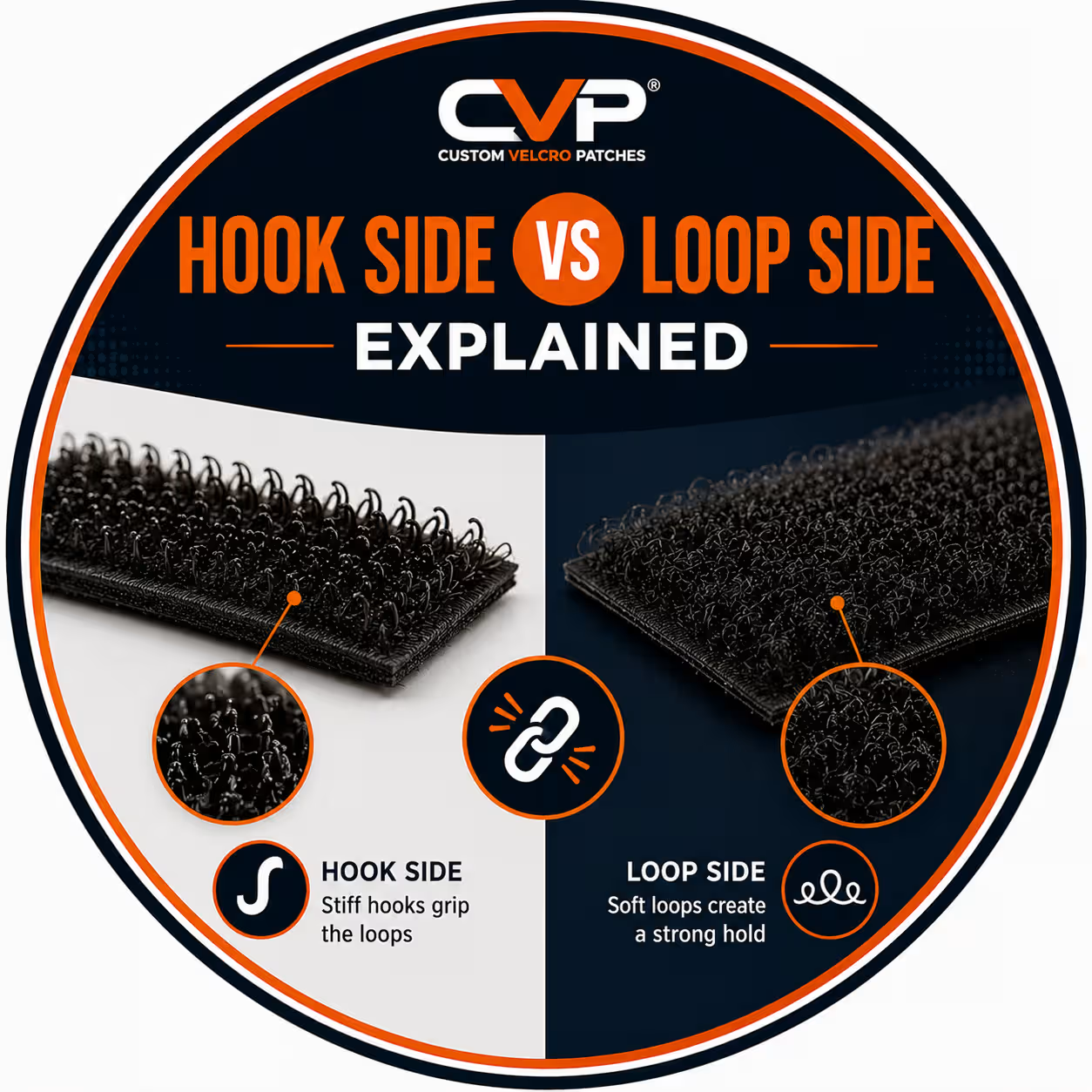
What Is the Difference Between the Hook Side and the Loop Side?
The hook side is the rigid component of a hook-and-loop fastener, and it carries thousands of tiny stiff nylon hooks across its surface. These hooks feel rough and scratchy to the touch. The loop side is the soft component, and it carries a dense bed of fine nylon loops. These loops feel fuzzy and comfortable against skin. The two surfaces are manufactured separately and join only when pressed together.
The Swiss engineer George de Mestral invented the hook-and-loop fastener after studying burdock burrs that clung to his clothing. His design copied the natural shape of the burr’s tiny hooks. That single principle still defines every velcro patch backing made today.
A quick reference tells the two sides apart:
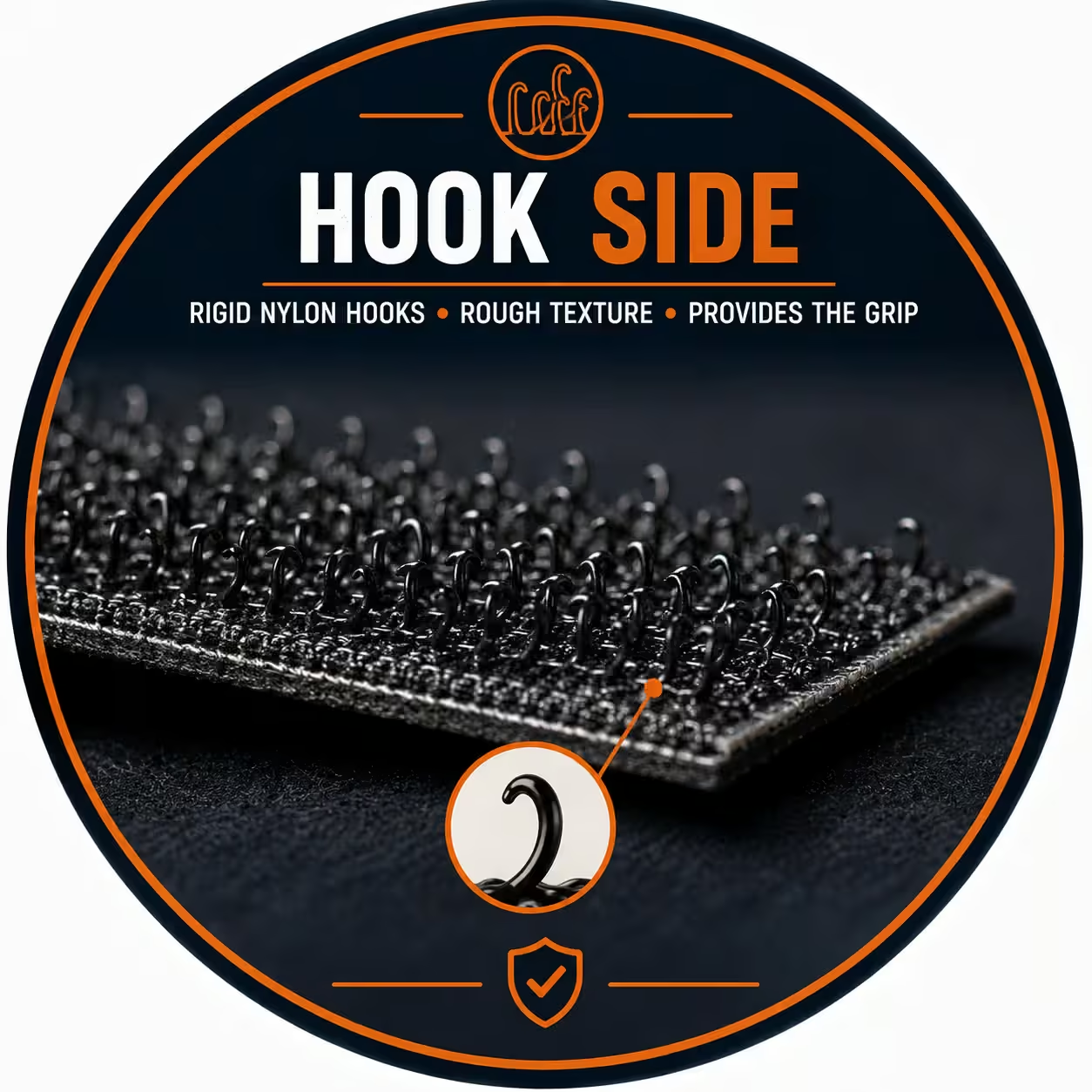
Hook Side
Rigid nylon hooks | rough texture | the “scratchy” side | provides the grip
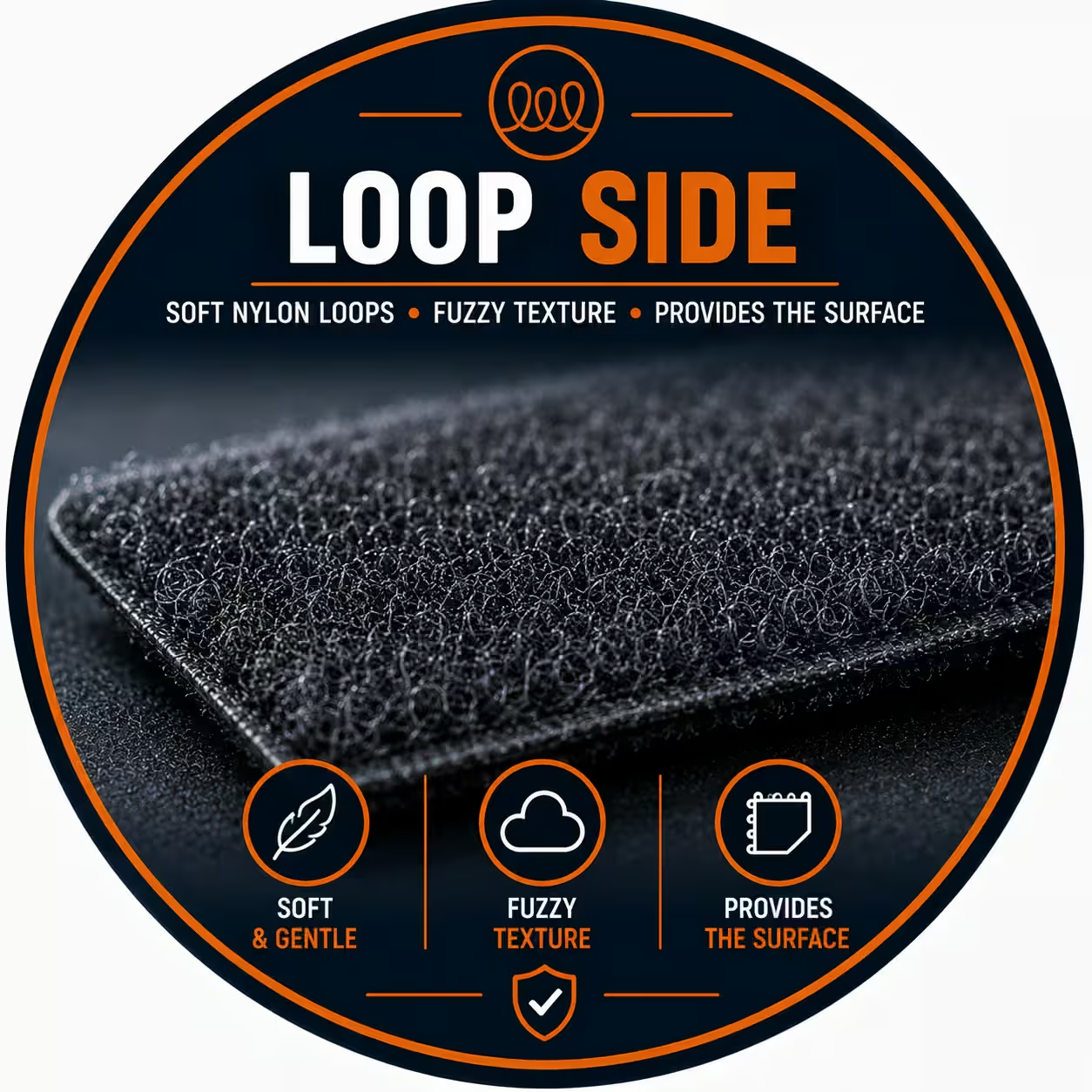
Loop Side
Soft nylon loops | fuzzy texture | the “fluffy” side | provides the surface
How the Hook Side and Loop Side Work Together
The hooks catch the loops, and that interlock forms the bond. Pressing both surfaces together engages thousands of contact points at once. Pulling the two surfaces apart releases the hooks from the loops cleanly. This open-and-close action defines the entire hook-and-loop system, and it allows a patch to attach, detach, and reattach many times.
Hook-and-loop fasteners resist two different forces in two different ways. The bond holds strongly under shear force, which is sideways pressure along the surface. The bond releases easily under peel force, which is lifting one corner away from the surface. This combination explains why a velcro patch stays firmly in place during wear yet peels off in seconds when you want to swap it. Knowing how the two sides connect leads directly to the question every patch buyer asks next.
Which Side Goes on the Patch and Which Side Goes on the Garment?
The hook side is fitted to the back of the patch, and the loop side is fixed to the garment or gear. This is the standard configuration across the custom patch industry, and it suits almost every order. The hook-backed patch then attaches to any compatible loop surface, including a uniform panel, a plate carrier, a bag, or a sewn-on loop strip.
This convention exists for a practical reason. A single hook-backed patch moves between several loop surfaces, so one patch serves multiple jackets, vests, or bags. The loop side, sewn or heat-sealed once onto the garment, becomes the permanent base. You buy one patch and reposition it freely rather than producing duplicate patches for every item.
A small number of orders reverse this setup. A loop-backed patch carries the soft loop side on its reverse, and it attaches to a hook surface instead. Brand display walls, retail patch boards, and certain promotional fixtures use an exposed hook panel, so the patches mounted on them need loop backing. This reverse setup is the exception, not the rule.
Standard Setup – Hook on the Patch
The hook side sits on the patch back in the standard setup, and the loop side sits on the garment. Military uniforms, police vests, workwear jackets, and tactical gear all follow this arrangement. Manufacturers such as Custom Velcro Patches supply the hook side on the patch and a matching loop piece for the garment as standard, so a complete velcro patch arrives ready to fit.
Reverse Setup – Loop on the Patch
The loop side sits on the patch back in the reverse setup, and a hook surface receives it. Choose this option only when the receiving surface already carries exposed hooks, such as a shop display board or a hook-covered presentation wall. Confirm the surface type before ordering, because a loop-backed patch will not grip another loop panel.
Hook Side vs Loop Side – Side-by-Side Comparison
The table below compares the two surfaces across the attributes that matter when you order a custom patch.
| Attribute | Hook Side | Loop Side |
|---|---|---|
| Texture | Rough and rigid | Soft and fuzzy |
| Material | Stiff nylon hooks | Flexible nylon loops |
| Usual position | Back of the patch | Garment, gear, or panel |
| Feel against skin | Scratchy | Comfortable |
| Snags on clothing | Yes, if left exposed | No |
| Role in the bond | Provides the grip | Provides the bed |
| Best suited to | The patch itself | Uniforms, vests, loop panels |
The hook side does the gripping, and the loop side gives it something to grip. Each surface is useless alone and effective only as a pair. This pairing is the foundation of every hook-and-loop patch, and it carries through to the specific use cases.
Hook Side vs Loop Side by Use Case
The correct side depends on the application, and four use cases cover most UK custom patch orders. Each one follows the standard setup, hook on the patch, loop on the gear, but the loop surface differs by industry.
Military & Cadet Patches
Military uniforms carry sewn-on loop panels at the chest, sleeve, and shoulder, so military and cadet patches use the hook side on the back. A soldier presses the hook-backed patch onto the loop panel and removes it before laundering or reassignment. This system lets personnel swap unit insignia, name tapes, and flags without sewing. UK forces ordering through BFPO addresses use the same hook-backed format, and our military and cadet velcro patches ship ready to fit standard-issue loop panels.
Police & Security Patches
Police vests and external carriers include loop fields, so police and security patches carry the hook side. Officers attach hook-backed identifiers such as “POLICE,” rank markers, and call signs, then switch them as roles change. The hook backing grips the vest panel firmly during a shift and peels away cleanly afterward. Our police and security patches follow this hook-backed standard for fast, repeatable attachment.
Workwear & Corporate Patches
Workwear jackets and corporate uniforms use a sewn-on loop base, so the branding patch carries the hook side. A company sews one loop panel onto each garment and swaps the hook-backed logo when branding updates. This approach protects the garment and lets a business refresh its identity without replacing uniforms. The loop side stays permanent, and the hook-backed patch changes as needed.
Brand Display & Patch Walls
Retail displays and patch walls use an exposed hook surface, so display patches reverse the convention and carry the loop side. The loop-backed patch presses onto the hook wall and lifts off for customers to inspect. This is the main scenario where the loop side, not the hook side, belongs on the patch. Confirm the wall surface before ordering, because the backing must oppose the surface it meets.
How to Choose and Attach the Right Side
Choosing the right side comes down to one check: identify the surface your patch will meet. A loop surface needs a hook-backed patch, and a hook surface needs a loop-backed patch. Almost every garment, vest, and bag uses a loop panel, so the hook side is the default choice for custom orders.
Attachment then follows the surface. A sewn or heat-sealed loop base creates a permanent home on the garment, and the hook-backed patch attaches to it instantly. For the full method, including heat-seal temperatures and stitching options, see our guide on how to attach a hook-and-loop patch. Buyers weighing backing thickness can also compare single vs double backing options, and those deciding how to fix the loop side should review sew-on vs adhesive loop backing.
Our Customer Reviews
Frequently Asked Questions
Is the rough side the hook or the loop?
Does a custom velcro patch order include both sides?
Can the loop side scratch or snag clothing?
Is the hook side stronger than the loop side?
Can you sew the loop side onto a garment?
Will a hook-backed patch stick to any fabric?
Key Takeaways
A hook-and-loop patch pairs a gripping surface with a receiving surface, and the two work only together. The patch almost always carries the hook side, while the garment, vest, or bag carries the loop side, a setup that lets one patch move freely across many items. The reverse applies only to hook-covered display walls, where loop-backed patches belong. Match the backing to the surface it meets, order both sides as a set, and your custom velcro patch will attach, detach, and reattach reliably for years.
Order bespoke hook-and-loop patches made in the UK with both sides supplied as standard, request a free quote to get started.