Are Velcro Patches Washable?
Velcro patches are washable when the hook side and loop side are fastened together and the patch is washed in cold water. Hook-and-loop patches survive both machine washing and hand washing without losing grip strength, shape or colour, provided you avoid heat. This guide explains exactly how to wash custom Velcro patches in the UK, which method protects the fastener best, and how each patch face, embroidered, woven, PVC or printed, responds to a wash.
Are Velcro Patches Washable? (Quick Answer)
Yes, Velcro patches are washable. Hook-and-loop patches are made from nylon, a hydrophobic material that does not absorb water, so the fastener itself is unaffected by laundering. The grip weakens only when lint clogs the hooks or when heat melts the nylon. Close the hook and loop together, wash in cold water, and air dry, and your custom patch keeps its grip wash after wash.
What Velcro Patches Are Made From
A Velcro patch combines two parts: a decorative patch face and a hook-and-loop backing. The backing is the component that determines washability, because the patch face and the fastener react to water and heat differently. Understanding both halves explains why hook-and-loop patches tolerate washing so well.
The Hook Side (Nylon Hooks)
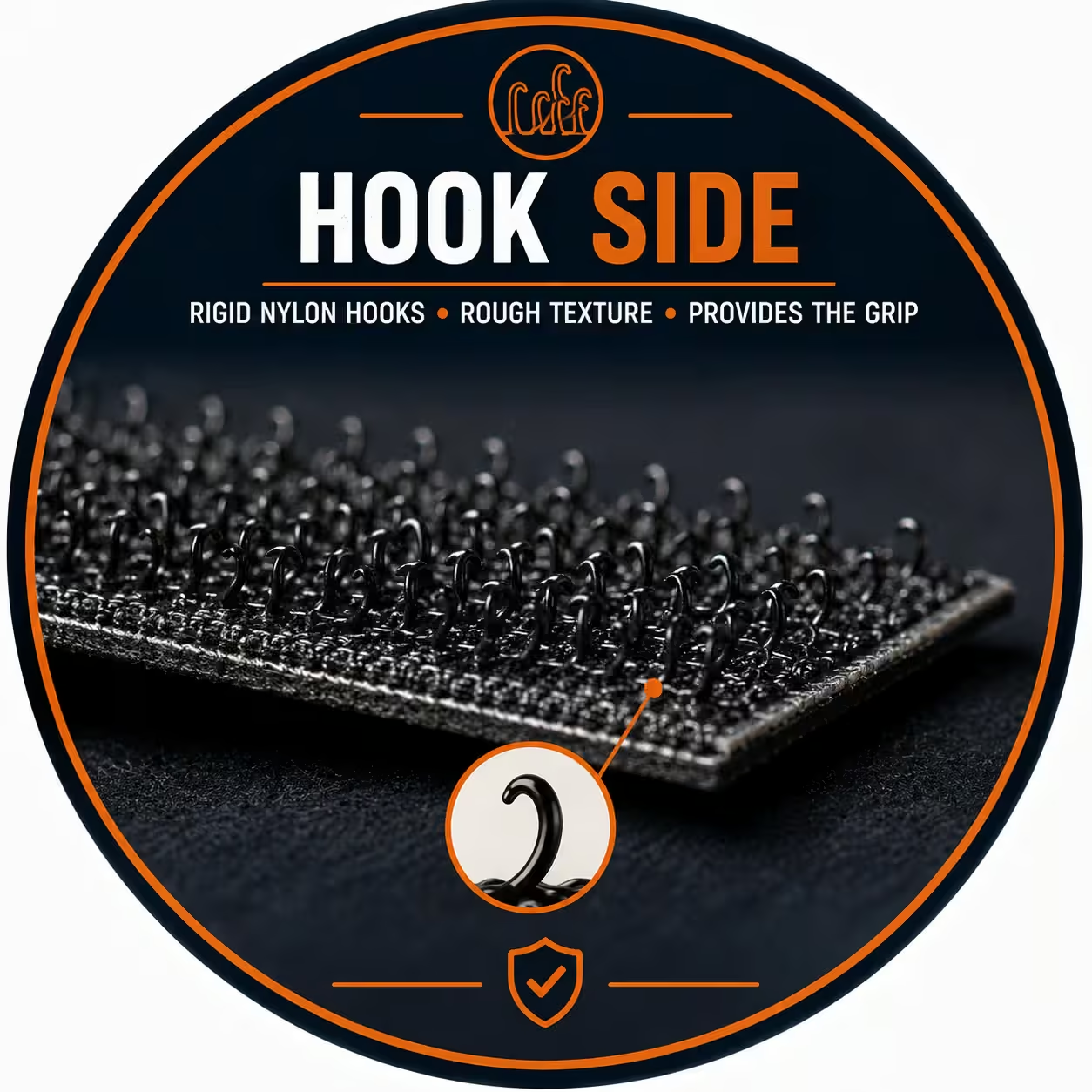
The hook side carries thousands of tiny stiff nylon hooks. Nylon is hydrophobic, which means it repels water rather than absorbing it. Water passes over the hooks without weakening them, so washing does not dissolve or soften the grip. The real enemy of the hook side is lint, not water. Fibres and fluff lodge between the hooks during a wash and reduce grip strength over time, which is why closing the fastener before washing matters.
The Loop Side (Soft Nylon Loops)
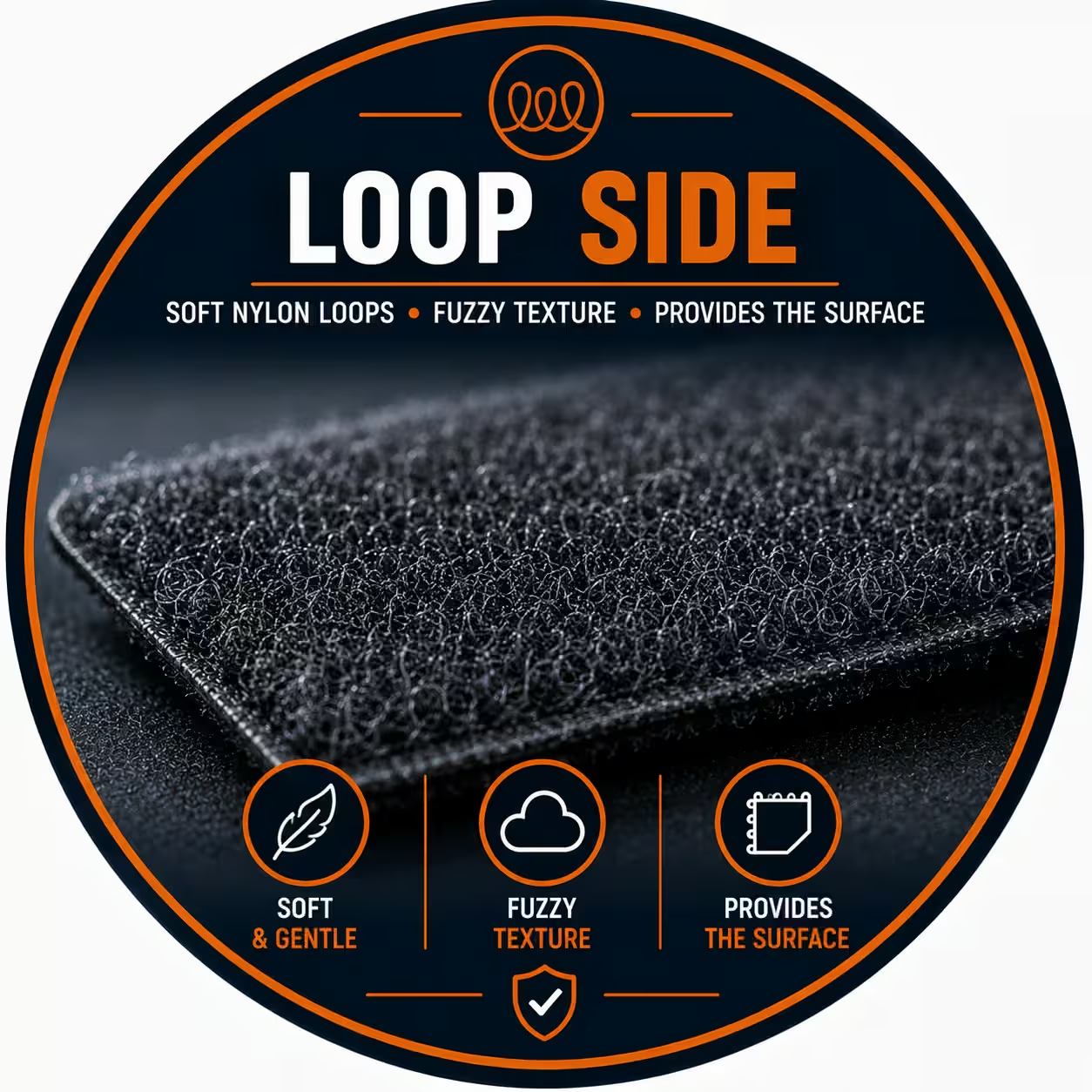
The loop side is the soft, fuzzy field of looped nylon threads that the hooks grab onto. The loop side is usually sewn or heat-sealed directly onto the garment, the bag or the plate carrier. This side also resists water, but its open loops attract lint and pet hair faster than the hook side. A fastened pair protects both surfaces, because the closed hooks shield the loops during the wash cycle.

The Patch Face (Embroidered, Woven or PVC)
The patch face sits on top of the hook backing and carries your custom design. The face is made from embroidery thread, woven thread, moulded PVC or printed fabric, and each material has its own heat tolerance. Embroidered and woven faces use colour-fast polyester thread that holds its colour in cold water. PVC faces are waterproof but soften under high heat. The patch face, not the nylon fastener, is the part you protect by keeping wash temperatures low.
Can You Machine Wash Velcro Patches?
Yes, you can machine wash Velcro patches, but only on a cold, gentle cycle with the fastener closed. Machine washing exposes the hooks to loose lint and the garment to friction, so three precautions keep the patch intact. Follow these steps every time you put a hook-and-loop patch through the machine.
Close the Hook and Loop Before Washing
Fasten the hook side to its loop side before the wash begins. A closed fastener stops the hooks from snagging other garments and blocks lint from packing into the hooks. If the patch detaches from its garment, press it onto a spare strip of loop tape so the hooks stay covered. A closed pair is the single most effective way to preserve grip strength through a machine wash.
Use Cold Water and a Gentle Cycle
Wash hook-and-loop patches at 30°C on a gentle or delicates cycle. Cold water protects the patch face: it stops embroidery thread from fading, keeps PVC from warping, and prevents printed designs from cracking. A gentle cycle reduces the friction that frays merrow borders and loosens stitching. Use a mild detergent and skip fabric softener, because softener coats the loops and dulls the grip.
Place the Garment in a Mesh Laundry Bag
Put the patched garment inside a mesh laundry bag before loading the machine. A mesh bag isolates the hook-and-loop patch from zips, buttons and abrasive fabrics that catch on the hooks. The bag also collects loose lint, keeping it away from the fastener. This one step turns an ordinary machine wash into a patch-safe wash.
How to Hand Wash Velcro Patches (Recommended)
Hand washing is the safest method for custom Velcro patches, because it removes heat and friction entirely. Hand washing suits PVC patches, delicate printed designs and any patch you want to last for years. Follow these five steps:
Detach the patch.
Peel the hook-backed patch off its loop surface so you can clean it on its own.
Fill a bowl with cold water.
Add a small amount of mild detergent and mix it into a gentle solution.
Soak and agitate gently.
Place the patch in the water and rub the face softly with your fingers for one to two minutes.
Rinse under cold running water.
Flush out all detergent so no residue stiffens the thread or dulls the grip.
Squeeze, never wring.
Press the patch flat between your palms to remove water, twisting damages both the hooks and the stitching.
Hand washing keeps the hook side clean, the patch face bright and the grip strength at full power. Once the patch is clean, the next stage is drying it correctly, because how you dry a hook-and-loop patch matters as much as how you wash it.
How to Dry Velcro Patches
Velcro patches dry safely by air drying flat, never in a tumble dryer. Heat is the one force that permanently damages a hook-and-loop fastener, so the drying stage protects everything the wash preserved. The method is simple and applies to every patch type.
Air Dry Flat (Best Method)
Lay the Velcro patch flat on a clean towel and leave it to air dry at room temperature. Air drying keeps the hooks rigid, holds the patch face flat, and stops the backing from curling. Position the patch hook-side up so air circulates through the fastener and clears any trapped moisture. A flat patch dries in a few hours and keeps its shape with no shrinkage.
Why You Should Avoid the Tumble Dryer
Never tumble dry a Velcro patch. Tumble-dryer heat melts the nylon hooks, which destroys grip strength permanently, and the same heat warps PVC patches and softens iron-on backing. Tumbling also batters the patch against the drum, fraying the merrow border and loosening the stitching. Air drying removes all three risks, so the dryer is the one shortcut that costs you the patch.
How to Remove Lint from the Hook Side
Lint is the main reason a Velcro patch loses grip, not washing. Fibres, fluff and pet hair pack into the hooks over time and stop them from latching onto the loop side. Cleaning the hooks restores the grip in a couple of minutes:
- Pluck large debris with tweezers. Lift out visible fluff and threads caught between the hooks.
- Brush the hooks with a stiff toothbrush. Sweep across the hook field to dislodge embedded lint.
- Drag a T-pin or comb through the rows. Pull a fine point along the hooks to clear the deepest fibres.
Clean hooks grip as firmly as new hooks. Repeat this every few washes, and the fastener keeps its hold for the full life of the patch.
Does Washing Affect Different Patch Types Differently?
Yes, washing affects each patch face differently, because embroidery thread, woven thread, PVC and print each have their own heat tolerance. The hook-and-loop backing washes the same way in every case, but the face on top sets the safest method. The table below compares how each custom patch type responds to a wash.
| Patch Face | Machine Washable? | Max Temperature | Notes |
|---|---|---|---|
| Embroidered | Yes (fastened, cold) | 30°C | Colour-fast polyester thread; avoid heat and friction |
| Woven | Yes (fastened, cold) | 30°C | Thinnest, most durable face; handles repeated washing |
| PVC / Rubber | Hand wash preferred | 30°C | Waterproof but heat-sensitive; never tumble dry |
| Printed | Gentle cycle only | 30°C | Protect the print from friction and high heat |
Embroidered and woven patches are the most wash-tolerant faces, which is why they suit workwear and uniforms that are laundered often. PVC and printed patches reward gentler handling, so hand washing extends their life.
How to Store Velcro Patches Between Uses
Velcro patches store best with the hook and loop fastened together or pressed onto a felt panel. A closed fastener keeps lint out of the hooks while the patch sits unused. Storing loose patches in a drawer lets the hooks grab clothing, bags and each other, which tears the loops and collects debris. A dedicated patch panel keeps your collection clean, flat and ready to mount.
Velcro Patches vs Iron-On Patches for Washability
Velcro patches outperform iron-on patches for repeated washing, because the fastener is removable and reusable. An iron-on patch bonds to the garment with heat-activated adhesive, and every wash slowly weakens that bond until the edges lift. A Velcro patch detaches before the wash, so the patch and the garment clean separately and neither wears the other down. Unlike iron-on patches, hook-and-loop patches let you swap designs, wash the patch on its own, and remount it with full grip, the reason military, police and tactical users choose hook-and-loop backing over adhesive.
Our Customer Reviews
Frequently Asked Questions
Are Velcro patches washable?
Can you put Velcro patches in the washing machine?
Does washing ruin the Velcro grip?
Can you tumble dry Velcro patches?
Should you remove a Velcro patch before washing?
Summary
Hook-and-loop patches handle washing better than almost any other backing type, because nylon repels water and the patch detaches before the wash even begins. Fasten the hook to the loop, choose a cold 30°C cycle or a gentle hand wash, air dry flat, and clear the hooks of lint every few washes, that routine keeps the grip strong and the design sharp for years. For the complete wash routine across every backing, read our full hook-and-loop washing and care guide. To mount a fresh patch correctly, see how to attach a Velcro patch, and to understand which side goes where, read the difference between the hook side and loop side. If you are weighing your backing options, compare how Velcro patches stack up against iron-on patches.